
One Day, Everyone Will Have Always Been Against This
Omar El Akkad
Omar El Akkad’s title performs a small trick with tense. It imagines a future in which a position once costly to take has become so respectable that almost everyone remembers having taken it. The occasion is the devastation of Gaza. The larger subject is the distance between the political and humanitarian ideals Western institutions announce and the suffering they are prepared to accept in the present.

El Akkad puts a future excuse in the title. Read the essays with an ear for the little adjustments people make to stories about their earlier convictions.
One Day, Everyone Will Have Always Been Against This. Edition cover via Penguin Random House.El Akkad writes as a journalist, a novelist and someone who once invested considerable hope in the promises he now examines. That personal investment gives his anger direction. His attention to evasive public language will interest anyone who has watched a sentence shed its subject precisely when responsibility is at issue. The book asks for sustained engagement with one writer’s moral reckoning. Readers seeking a chronological history of the conflict will want other books beside it. Its distinctive question concerns when sympathy arrives, and whom that timing serves.
El Akkad makes the future tense of the title an accusation about present memory. A reader is asked to consider which public positions people will later find convenient to forget they held.

Leena A. Krohn, CC BY-SA 3.0 via Wikimedia Commons.
Open the full image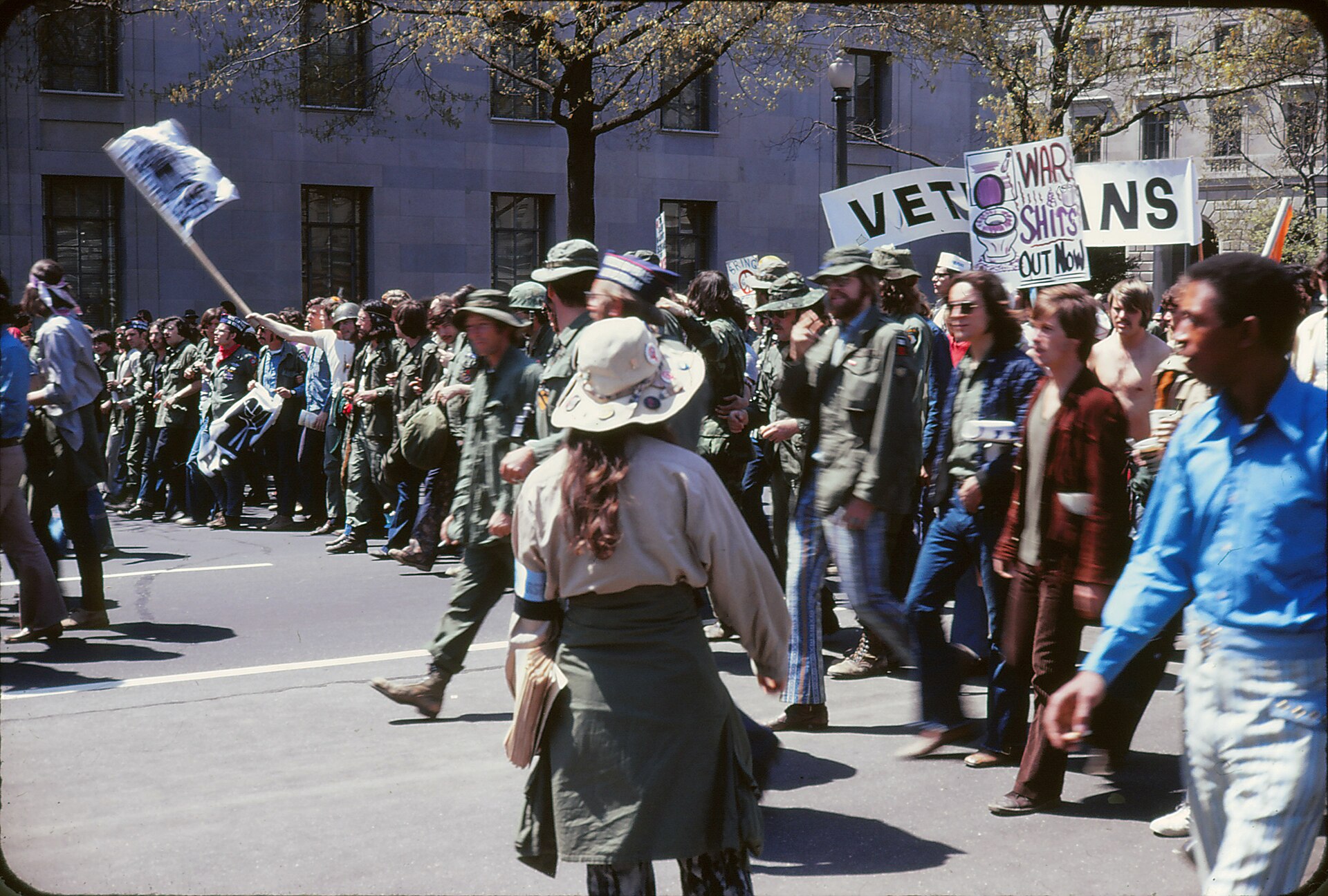
Read alongside
Consider how the writer’s position changes the account of political violence and what can be seen from that position.
 War Is a Force That Gives Us MeaningChris Hedges
A conventional denunciation of war has little trouble listing the reasons to hate it. Chris Hedges has a more disturbing subject. War can make ordinary people feel urgently necessary, joined to their neighbors, and relieved of the ambiguities of peace.
 From Beirut to JerusalemThomas L. Friedman
Thomas L. Friedman writes from the experience of reporting in Beirut and Jerusalem in the 1970s and 1980s. The two cities impose different demands on a correspondent. In one, violence can redraw the practical meaning of a street crossing.
Reading group guide
208 pages in the edition shown. Check the edition record.
Which present-tense claim does El Akkad ask a future reader to remember, and what document would preserve it?
Find this book and edition
One Day, Everyone Will Have Always Been Against This · Omar El Akkad · Poetry, Myth & Essays
Cover edition ISBN 9780593804148 · Look for this edition in a library