
The Mask of Command
John Keegan

Commanders have always had to decide where to stand. Keegan shows how the answer depends on what soldiers need to see and what their leader needs to know.
The Mask of Command by John Keegan. Edition cover from Penguin Random House.How close to danger should a commander be? The question sounds like a matter of courage until Keegan places Alexander, Wellington, Grant and Hitler beside one another. Each operated in a different political culture, at a different technological distance from the people he sent to fight. A leader's physical presence could reassure, inspire, distort judgment or tell subordinates a dangerous lie about how much the leader understood.
The contrast between Alexander and Grant is particularly productive. Both needed followers willing to take enormous risks. A theatrical demonstration of personal prowess carried very different weight in their respective armies. Keegan reads the performance expected of each commander along with the choices each actually made. Four portraits cannot demonstrate a universal progression in military leadership, and the neatness of the categories sometimes threatens the messier lives inside them. The comparison still makes a valuable change in the question readers ask of a military biography. After judging whether a commander looked the part, ask who wrote that part and what their expectations made possible.

U.S. Army, via Wikimedia Commons. Public domain.
Open the full image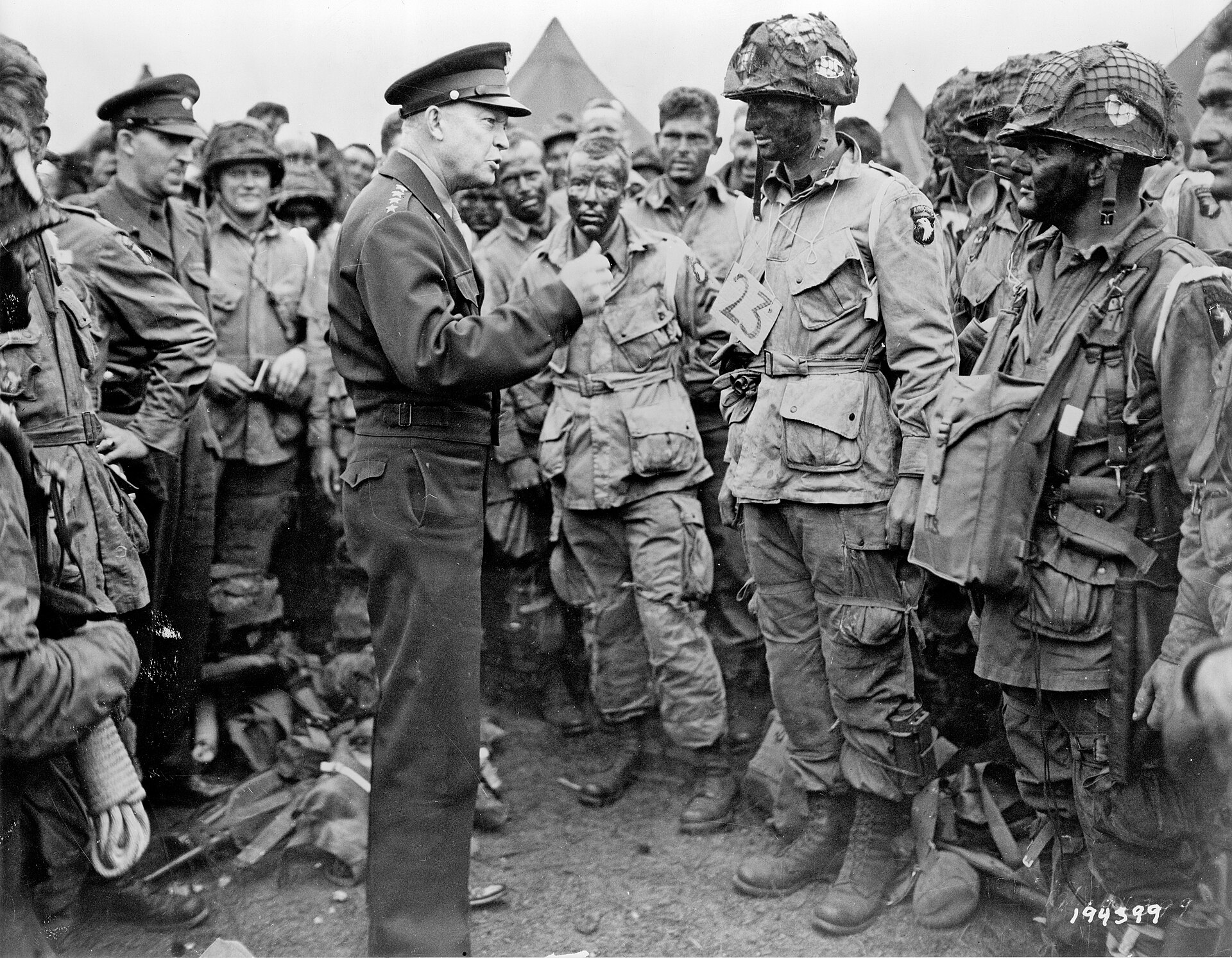
Read alongside
How does the account move between campaigns on a map and individual people under orders?
 Ghosts of SicilyMark Harmon and Leon Carroll Jr.
During the Second World War, American naval intelligence sought help from men with access to a part of New York that officials could not easily read from an office. Organized crime held influence on the waterfront.
 The Rising TideJeff Shaara
For American troops newly engaged in North Africa, the Second World War is still an education whose lessons arrive faster than they can safely absorb them.
Reading group guide
Compare two commanders doing the same public thing. What does Keegan think their different audiences required?
Find this book and edition
The Mask of Command · John Keegan · War & Military History
Cover edition ISBN 9780140114065 · Look for this edition in a library