
Camino Ghosts
John Grisham
A developer sees a resort site. Lovely Jackson sees the island where she was born and where people who escaped slavery built a community. Dark Isle, now largely empty, becomes the subject of a contest over ownership and over what kinds of evidence a powerful institution will acknowledge. Bruce Cable and the novelist Mercer Mann help bring Lovely's account to a wider audience. The change in emphasis gives the third Camino novel a graver center than the manuscript caper that opened the series.

Grisham is particularly effective on the gulf between inhabiting a place and proving a claim to it generations later. Oral memory, a written history and the documents a lawyer wants perform different kinds of work. The developers' motives are fairly broad, and the modern framing occasionally keeps the reader at a distance from Lovely's own telling. Her insistence on being heard gives the book its energy. The island's threatened future matters because someone can still say what living there meant.
The Florida island’s history gives the legal dispute emotional weight. Ownership can be asserted in the language of title while the people asked to surrender a place understand belonging through memory.

State Archives of North Carolina / Wikimedia Commons. No restrictions.
Open the full image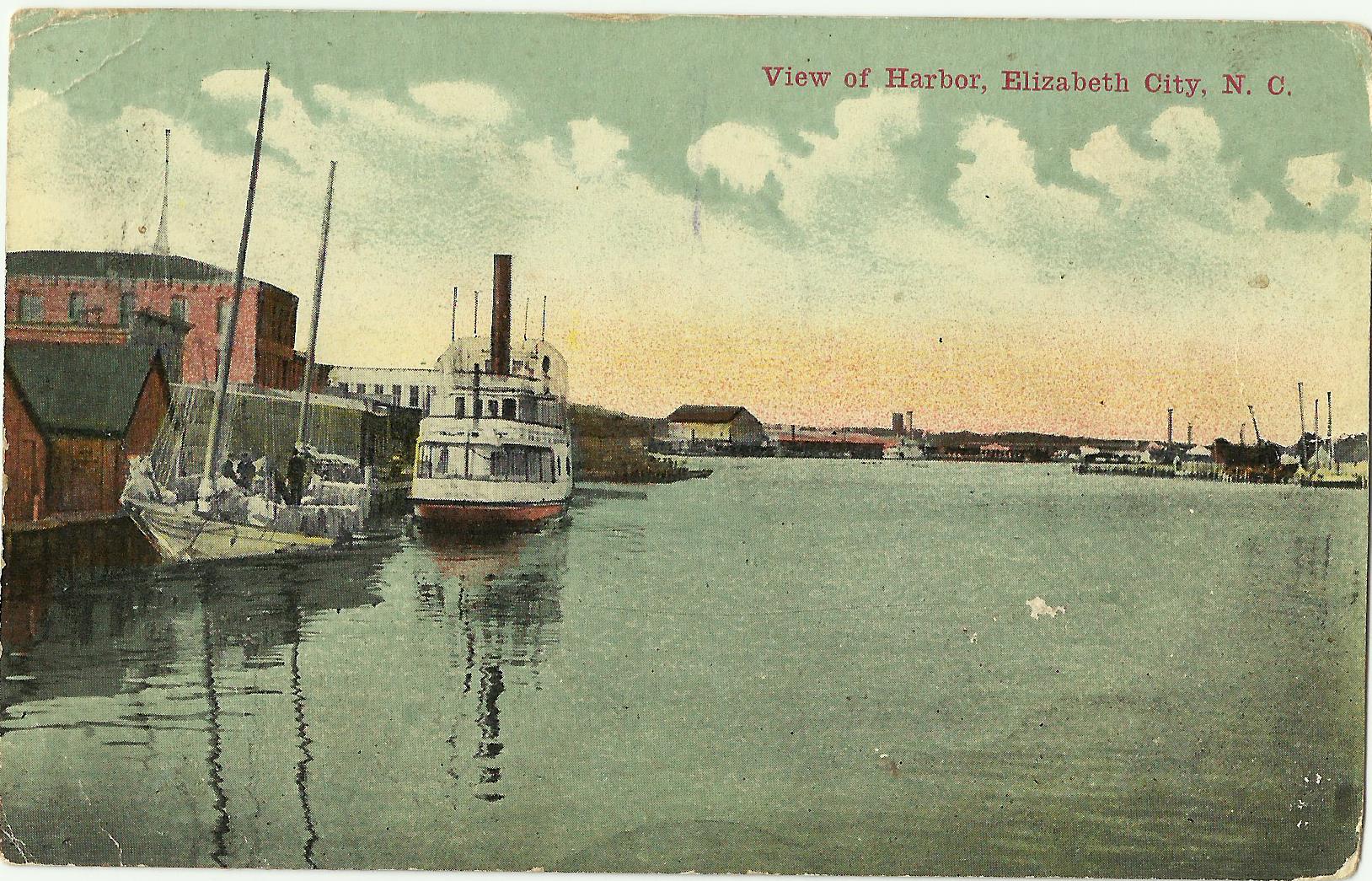
Read alongside
Pay attention to the institutions a detective or lawyer has to understand before the apparent crime begins to make sense.
 The Final Solution
Michael Chabon
An old beekeeper in wartime England encounters a refugee boy and a parrot with the disconcerting habit of reciting numbers in German.
 The Yiddish Policemen’s Union
Michael Chabon
A man is found dead in the shabby hotel where Detective Meyer Landsman has been living.
Reading group guide
Who gets to tell the history of Dark Isle when memories, public records, and property claims compete?
Find this book and edition
Camino Ghosts · John Grisham · Mystery & Thrillers
Cover edition ISBN 9780593157800 · Look for this edition in a library