
A Separate Peace
John Knowles
Gene Forrester remembers a tree at his New England boarding school with extraordinary precision. Whether he understands what he himself once did there is another matter. In the summer of 1942, his friend Finny can turn an afternoon into a game and a school rule into an invitation. Gene admires that ease so intensely that it begins to look, from inside his head, like a contest Finny is secretly trying to win.

Knowles takes one adolescent mistake seriously enough to give it the dimensions of a tragedy. The older narrator can describe a boy's suspicion more clearly than the boy could, yet hindsight offers little assurance that his final account of himself is complete. The boys sometimes sound more perfectly opposed than actual friends would. Against that neatness stands the untidy fact of affection. Gene likes Finny, needs him, resents him and wants to be him. Once those feelings have found an outlet, calling any single one of them the motive seems inadequate.
A remembered school becomes an unusually good place to test the reliability of an adult’s account. The physical tree is easier to revisit than the precise mixture of admiration and resentment that once brought Gene to it.

Dennis Ludlow – Sharkshock / Wikimedia Commons. CC BY-SA 4.0.
Open the full image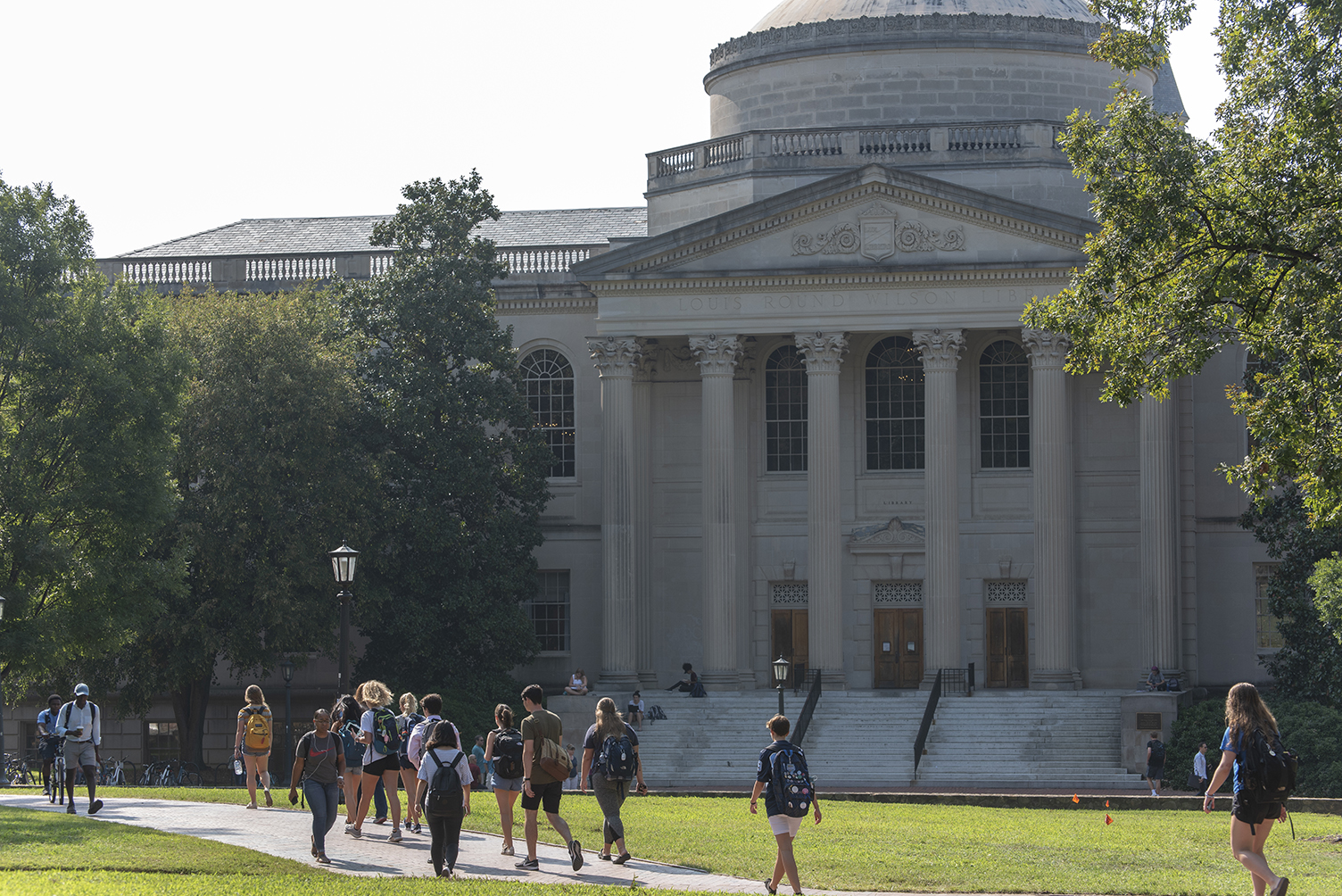
Read alongside
How differently do the younger and older selves understand the same event?
 The Catcher in the Rye
J. D. Salinger
Holden Caulfield has left yet another school and has a little time to kill in New York before his parents find out.
 To Kill a Mockingbird
Harper Lee
Scout Finch knows which neighbors frighten her, which adults can be trusted and which houses the children dare one another to approach.
Reading group guide
Which part of the tree scene belongs to Gene’s memory, and which part is his later interpretation?
Find this book and edition
A Separate Peace · John Knowles · Fiction & Classics
Cover edition ISBN 9780743253970 · Look for this edition in a library