
A People’s History of the United States
Howard Zinn

Retell an industrial dispute from the factory floor and the cast of principal characters changes. Zinn invites readers to ask who was missing from the first account they learned.
Edition cover of A People’s History of the United States. Image from Open Library.A change in vantage point can alter the meaning of a familiar date. A factory owner's milestone may also be the beginning of a strike. A military victory looks different to a family in its path. Zinn builds his American history around those reversals and gives speeches, testimony and resistance movements space usually reserved for officeholders. Some of his most memorable pages let a voice interrupt a story readers thought they knew how to tell.
The same consistency that gives the book force can make its conclusions predictable. People inside an institution sometimes disagree more deeply than Zinn's account allows, and arguments about how much power reform can exercise deserve a hearing alongside descriptions of its limits. The book is particularly rewarding when read with a second account of the same event. Look at which facts both writers accept, then at whose actions each regards as causes. Often the sharpest disagreement begins well before either author states an opinion.

Lewis Wickes Hine / National Child Labor Committee collection, Library of Congress. U.S. public domain.
Open the full image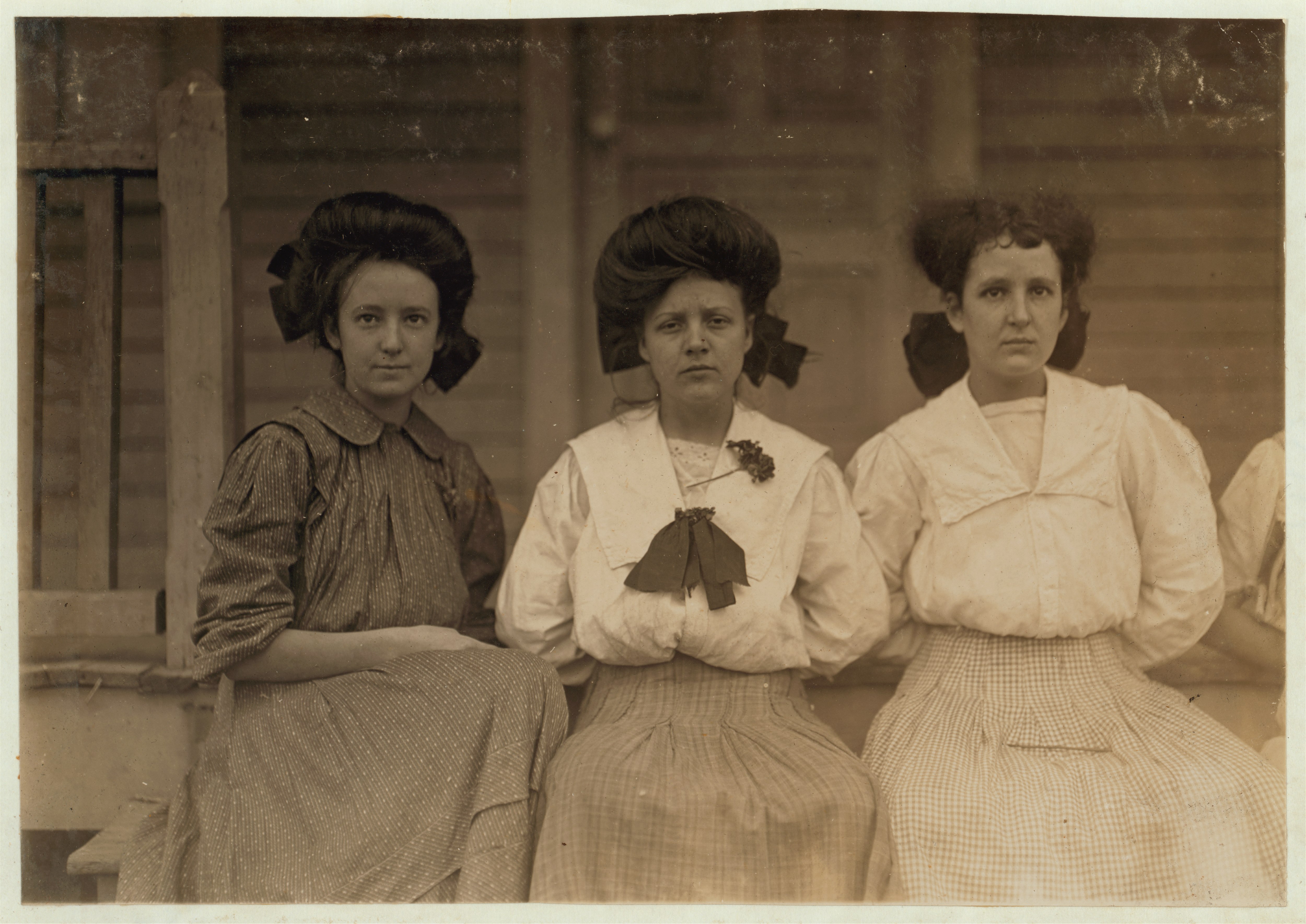
Read alongside
Watch whose sense of opportunity becomes the organizing principle for a national history.
 A Patriot’s History of the United StatesLarry Schweikart and Michael Allen
Schweikart and Allen make a sustained case for reading the American past through political liberty, enterprise and national endurance. The title announces the authors' sympathies before the first chapter.
 The AmericansDaniel J. Boorstin
Boorstin's three-volume sequence comprises The Colonial Experience, The National Experience and The Democratic Experience. Read together, they amount to a national history told through the arrangements people make to get things done.
Reading group guide
Which familiar American event changes most when Zinn begins with workers, dissenters, or the displaced?
Find this book and edition
A People’s History of the United States · Howard Zinn · American History
Cover edition ISBN 9780062397348 · Look for this edition in a library