

I. Introduction
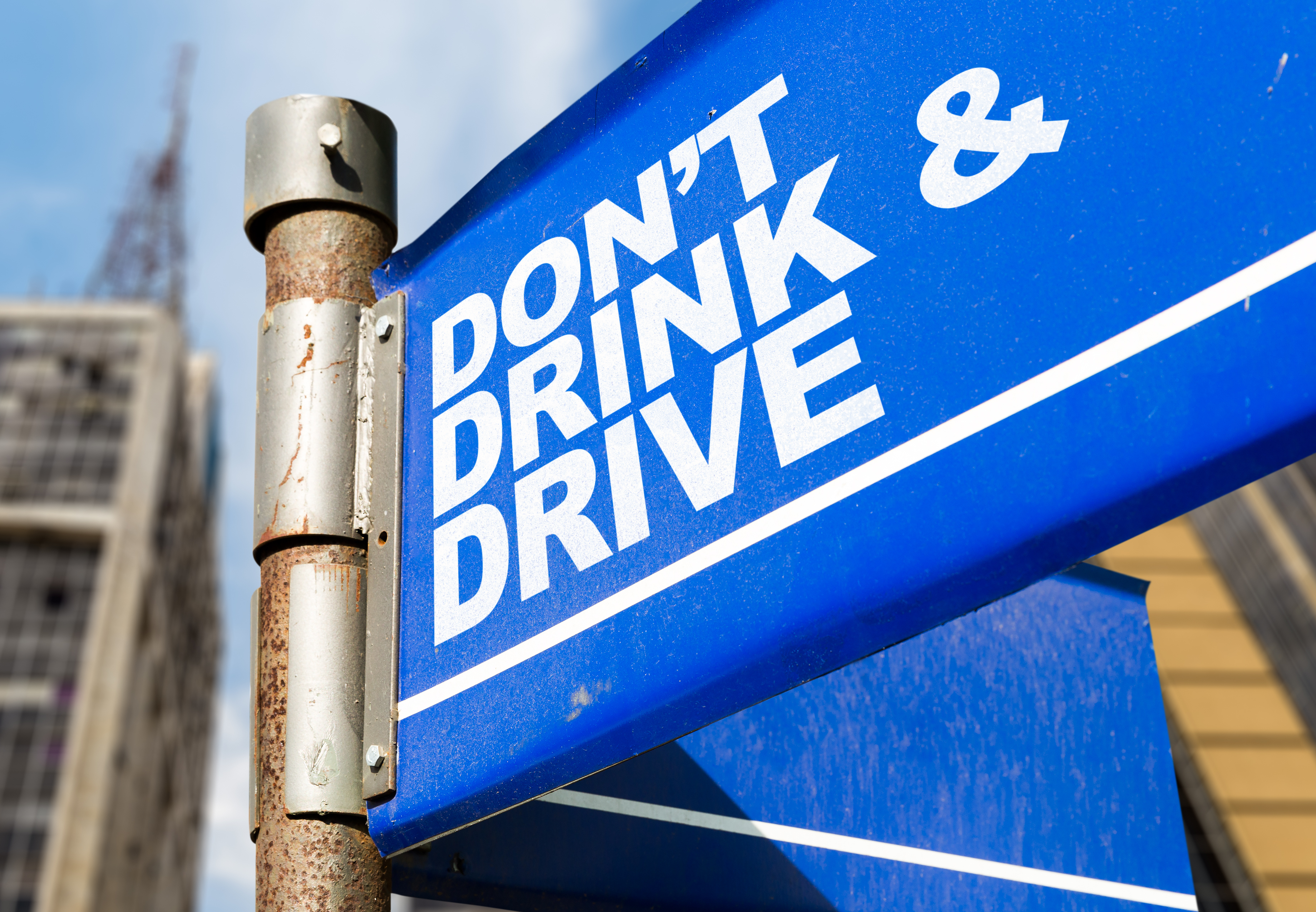
Driving While Impaired (DWI) — often called Driving Under the Influence (DUI)—is a serious offense under N.C.G.S. § 20-138.1. While the terms are used interchangeably, North Carolina law officially recognizes DWI as the charge for operating or being in physical control of a vehicle while impaired by alcohol or drugs.
North Carolina maintains some of the strictest DWI laws in the country, and penalties continue to increase as lawmakers focus on roadway safety and accountability. In 2025, new developments such as the proposed “Sober Operator Act” (which could lower the legal BAC limit to 0.05%), expanded ignition-interlock requirements, and updated rules on Drug Recognition Expert (DRE) testimony all make navigating a DWI case more complex than ever.
At Adkins Law, PLLC, our team understands how one mistake can affect your license, career, and family. As an experienced DWI attorney in Huntersville, serving Cornelius, Davidson, Mooresville, Denver, and the greater Lake Norman area, we provide clear guidance and strong defense strategies to help you protect your rights and move forward.
II. What Qualifies as DWI in North Carolina
Under N.C.G.S. § 20-138.1, Driving While Impaired (DWI)—also called Driving Under the Influence (DUI)—occurs when a person operates or is in actual physical control of a vehicle on a public roadway or parking area while impaired by alcohol, drugs, or any other intoxicating substance.
A driver can be charged with DWI when:
- Their Blood Alcohol Concentration (BAC) is 0.08% or higher for most drivers, 0.04% or higher for commercial drivers, and any detectable amount for drivers under 21.
- They are under the influence of alcohol, controlled substances, or impairing prescription medication, even if the BAC is below 0.08%.
Importantly, North Carolina law does not require a failed breath or blood test for conviction. In State v. Gregory (2002), the Court of Appeals held that a DWI can be proven entirely through credible officer observations—such as the odor of alcohol, slurred speech, unsteady balance, or erratic driving—when those observations show appreciable impairment.
Likewise, State v. Lindsey (2016) confirmed that probable cause and proof of impairment may rest on the totality of circumstances, even when the defendant drives normally, so long as trained officers identify clear indicators like red or glassy eyes, alcohol odor, or Horizontal Gaze Nystagmus (HGN) results.
Because of this, anyone stopped in the Lake Norman area—Huntersville, Cornelius, Davidson, Mooresville, or Denver—should seek immediate help from an experienced DUI defense lawyer in Huntersville who understands how to challenge subjective police observations and testing procedures.
III. 2025 Legal and Sentencing Updates
North Carolina continues to strengthen its impaired driving laws each year, and 2025 has brought several significant developments that impact both drivers charged with DWI and the attorneys who defend them. From proposed legislative changes to new court rulings, understanding these updates is essential for anyone facing DWI charges in the Lake Norman region.
1️⃣ Lower BAC Proposal – The “Sober Operator Act of 2025”
Lawmakers have introduced the Sober Operator Act of 2025, which would lower North Carolina’s legal blood alcohol concentration (BAC) limit from 0.08% to 0.05%. If enacted, this would align North Carolina with Utah’s stricter standard and significantly broaden the number of drivers eligible for arrest and prosecution. Even one or two drinks could put motorists at risk of crossing the threshold.
For anyone charged under this evolving standard, consulting a DUI attorney in Huntersville NC early can make a critical difference in preserving your rights and driving privileges.
2️⃣ Delegated Probation Authority – Expanded Power for Probation Officers
As of late 2023, the legislature amended G.S. 20-179(k5), expanding delegated authority for probation officers in impaired driving cases. Officers can now impose limited sanctions—such as curfews, alcohol monitoring, or mandatory counseling—without requiring a separate court hearing. This change streamlines supervision but also increases the risk of added restrictions for defendants.
A skilled Huntersville DWI lawyer can help you navigate these conditions, ensuring your probation terms stay fair and compliant.
3️⃣ New Mitigating Factor – Pretrial Ignition Interlock (Effective Dec. 1, 2025)
Under S.L. 2025-71, North Carolina now recognizes the voluntary pretrial installation of an ignition interlock device (IID) as a mitigating factor at sentencing.
Defendants who install an IID within 45 days of being charged and maintain it for at least six months—without violations and with a valid limited driving privilege—may qualify for reduced sentencing levels.
This change encourages early compliance and demonstrates good faith before the court. For help filing or proving eligibility, contact an experienced DUI defense lawyer Huntersville NC residents trust.
4️⃣ DRE Testimony Limits – State v. Moore (2025)
The 2025 Court of Appeals decision in State v. Moore significantly reshaped how prosecutors can use Drug Recognition Expert (DRE) testimony.
The court ruled that even a certified DRE must personally perform the full 12-step evaluation and reliably apply their training to the defendant’s circumstances for the evidence to be admissible.
If the officer only reviews records or did not observe the suspect in person, the testimony fails to meet the standard under Rule 702(a)(3).
This decision gives defense attorneys new grounds to challenge unreliable drug impairment evidence—a powerful tool for any Huntersville DUI defense attorney handling cases involving prescription or mixed-substance impairment.
5️⃣ Judicial Accountability – In re Kimble (2025)
In In re Kimble (2025), the North Carolina Supreme Court censured a sitting district court judge after a Level I DWI conviction involving a .23 BAC and a minor passenger.
The ruling underscores that no one is above the law, not even members of the judiciary, and that DWI offenses carry professional and ethical consequences at every level.
The case serves as a reminder that the courts treat DWI offenses with absolute seriousness—and that early, effective representation from a DWI attorney in Huntersville NC is essential to protect your reputation, license, and future.
🧩 Local Insight: How These Changes Affect Lake Norman Drivers
With enhanced penalties, stricter standards, and new courtroom rules, drivers in Huntersville, Cornelius, Davidson, Mooresville, and Denver face an increasingly complex legal landscape in 2025. Whether you’re charged under the new BAC limits or facing a DRE-based accusation, Adkins Law provides proactive, strategic defense across Mecklenburg and Iredell Counties.
IV. DWI Levels and Penalties (Updated 2025 Chart)
North Carolina’s DWI sentencing structure is one of the most complex in the nation. Judges determine punishment based on a “level system” ranging from Level 5 (least severe) to Aggravated Level 1 (most severe). Each level considers aggravating and mitigating factors such as prior offenses, BAC level, presence of minors, or injuries caused.
⚖️ 2025 DWI Sentencing Chart
| Level | Jail Time | Fine | Notes |
| Level 5 | 24–60 days (may be suspended) | Up to $200 | Often given to first-time offenders; may include 24 hours community service, substance abuse assessment, and license suspension. |
| Level 4 | 48–120 days (may be suspended) | Up to $500 | Typical for standard first offenses with no aggravating factors; can substitute jail time with community service hours. |
| Level 3 | 72 hours–6 months | Up to $1,000 | Applies when aggravating factors outweigh mitigating ones (e.g., high BAC, prior record, or refusal). |
| Level 2 | 7 days–12 months | Up to $2,000 | No suspension allowed; often imposed for repeat offenders or those with one grossly aggravating factor. |
| Level 1 | 30 days–24 months | Up to $4,000 | Reserved for cases involving a child passenger, serious injury, or two grossly aggravating factors. |
| Aggravated Level 1 | 12–36 months | Up to $10,000 | The harshest misdemeanor level, used when three or more grossly aggravating factors exist. May include continuous alcohol monitoring and intensive treatment. |
🚦 Additional Notes on 2025 Sentencing
- Probation Conditions: Even when jail time is suspended, courts may impose supervised probation with strict conditions such as substance abuse treatment, ignition interlock installation, community service, or continuous alcohol monitoring.
- Ignition Interlock Devices (IID): Required for many drivers convicted of DWI, especially those with BAC ≥ 0.15 or repeat offenses.
- Habitual DWI: Under G.S. 20-138.5, a fourth DWI within seven years becomes a felony, carrying a minimum of one year in prison and permanent license revocation.
- License Restoration: Requires completion of assessments, compliance with treatment recommendations, and DMV reinstatement fees.
- New 2025 Factor: Voluntary pretrial IID installation can serve as a mitigating factor, helping reduce sentencing severity.
🏛️ Local Insight: What This Means for Lake Norman Drivers
Courts in Mecklenburg and Iredell Counties (where Huntersville, Cornelius, Davidson, and Mooresville cases are heard) take DWI sentencing seriously. Judges often weigh local law enforcement reports, probation compliance, and treatment records before determining a sentence. Early action—such as completing your assessment or installing an IID—can significantly influence your case outcome.
If you’ve been charged with DWI, contact Adkins Law, your trusted Huntersville DWI attorney, for a detailed case review. Our firm helps clients understand their sentencing exposure, explore reduction strategies, and build strong defense plans to protect their record and license.
V. Limited Driving Privileges & Ignition Interlock Rules
A DWI conviction in North Carolina doesn’t always mean losing your ability to drive indefinitely. For eligible drivers, the law provides an option to request a Limited Driving Privilege (LDP)—a restricted license allowing operation of a vehicle for essential needs such as work, education, treatment, or family responsibilities.
Eligibility for Limited Driving Privileges
- First-time offenders are typically eligible to petition for limited privileges after 30 to 45 days of license revocation, provided they’ve completed a substance use assessment and enrolled in any recommended program.
- Drivers who refuse a chemical test generally face a longer waiting period—about six months—before becoming eligible.
- Repeat offenders or individuals convicted of Aggravated Level 1 DWIs are generally ineligible until their full suspension term is served.
In the Lake Norman area, Huntersville and Cornelius residents must file petitions through the Mecklenburg County Clerk of Superior Court in Charlotte. Mooresville and Troutman residents file in Iredell County. Because eligibility depends on prior history, BAC level, and court orders, it’s important to consult a Huntersville DWI attorney familiar with both county systems before applying.
Ignition Interlock Device (IID) Requirements
An Ignition Interlock Device (IID) is a breath-testing system installed in a vehicle to prevent it from starting if alcohol is detected. North Carolina law requires IID installation for:
- Drivers with a BAC of 0.15 or higher;
- Repeat DWI offenders;
- Anyone reinstating a license after a habitual DWI conviction under G.S. 20-138.5.
The 2025 revisions to G.S. 20-179.5 introduced new affordability provisions, allowing eligible drivers with financial hardship to apply for partial fee waivers directly through approved IID vendors. Typical costs include a $75 installation fee and $70–$90 per month for monitoring and calibration, with discounted options available for qualifying applicants.
Understanding the ignition interlock requirement DUI NC 2025 updates can help you prepare for costs, compliance, and reinstatement before your court appearance.
Practical Guidance for Lake Norman Drivers
- Maintain documentation of employment or school enrollment when applying for a limited privilege.
- Keep your IID properly calibrated—missed service appointments can reset eligibility.
- Always carry your limited privilege order; it serves as your temporary license.
- Violations, such as tampering, missed tests, or driving outside approved hours, can lead to revocation of all driving privileges.
At Adkins Law, we help clients throughout Huntersville, Cornelius, Davidson, Mooresville, and Denver prepare petitions, coordinate IID installation, and manage compliance requirements. Taking proactive steps can lead to faster reinstatement and fewer disruptions to work and family life.
VI. Underage & Commercial DWI
North Carolina enforces strict zero-tolerance policies for both underage and commercial drivers accused of driving while impaired. These rules reflect the state’s commitment to highway safety and its intent to deter high-risk behavior behind the wheel.
Underage DWI (Drivers Under 21)
Under N.C.G.S. § 20-138.3, North Carolina law prohibits anyone under the age of 21 from operating a motor vehicle after consuming any amount of alcohol or drugs—even trace levels. There is no legal BAC limit for drivers under 21. Any detectable alcohol concentration can lead to arrest and prosecution.
Penalties for underage DWI include:
- Immediate license revocation lasting until the driver turns 21.
- Fines, court costs, and potential community service or alcohol education programs.
- Possible criminal record impacting college, employment, and scholarship opportunities.
For students attending Davidson College, UNC Charlotte, or other area schools, even a minor alcohol-related driving offense can carry lasting consequences. Working with a knowledgeable Huntersville DUI attorney can help protect educational and professional futures while exploring every available defense option.
Commercial Driver DWI (CDL Holders)
Commercial drivers face even stricter standards. Under N.C.G.S. § 20-138.2, operating a commercial vehicle with a BAC of 0.04% or higher constitutes a DWI offense—half the limit applied to regular drivers.
Consequences include:
- Immediate CDL disqualification, even for a first offense.
- Loss of commercial driving privileges for one year (or longer if transporting hazardous materials).
- A lifetime disqualification for a second offense.
- CDL suspension even if the violation occurs in a personal vehicle.
Because a CDL is often a person’s livelihood, a conviction can devastate a driver’s career. It’s crucial to act quickly with an experienced DWI defense lawyer in Huntersville who understands how to challenge testing procedures, BAC accuracy, and officer observations.
Local Insight for Lake Norman Drivers
Underage and commercial DWI cases are common in the Lake Norman region, especially around Huntersville, Cornelius, Davidson, and Mooresville, where younger drivers and professional truck operators share busy commuter routes. Adkins Law provides representation for both categories, focusing on limiting long-term damage to licenses, employment, and reputations.
VII. Key Defenses in a North Carolina DWI Case
Every DWI case is different, and the circumstances behind each arrest can reveal opportunities to challenge the evidence or procedure. A well-planned defense may result in dismissal, charge reduction, or mitigated penalties. At Adkins Law, we carefully evaluate every stage of your case—from the initial traffic stop to the accuracy of breath or blood testing—to protect your rights and driving privileges.
Common DWI Defense Strategies
1. Unreliable Chemical Test Results
North Carolina relies on the Intox EC/IR II device to determine blood alcohol concentration (BAC). These machines must be properly calibrated, regularly maintained, and operated by certified chemical analysts. If records show improper calibration, expired certifications, or operator error, test results can be challenged or excluded in court.
2. Invalid Stop or Lack of Probable Cause
Police officers must have reasonable suspicion to initiate a traffic stop and probable cause to make an arrest. If a stop occurs without proper justification or the officer relies solely on minimal or subjective signs of impairment, a defense attorney can move to suppress all evidence obtained as a result of that stop.
3. Incomplete or Subjective Officer Observations
Many DWI arrests rely heavily on an officer’s personal observations—such as speech patterns, balance, or odor of alcohol. When these observations are vague, inconsistent, or exaggerated, they can be challenged effectively. Skilled attorneys can cross-examine officers to expose gaps in their reports or memory of events.
4. Improper Drug Recognition Expert (DRE) Protocol
For cases involving alleged drug impairment, North Carolina allows specially trained Drug Recognition Experts (DREs) to testify. However, the officer must personally complete and accurately apply the full 12-step DRE protocol. If any step is skipped or performed incorrectly, the testimony may be excluded for lack of reliability.
5. Rising BAC Defense
Because alcohol takes time to absorb into the bloodstream, a driver’s BAC may be lower at the time of driving than when tested later. This defense argues that the defendant was below the legal limit while behind the wheel, even if the later test result shows otherwise.
6. Medical Conditions Mimicking Impairment
Certain medical issues—such as diabetes (hypoglycemia), acid reflux (GERD), fatigue, or neurological conditions—can cause symptoms that resemble intoxication or interfere with breath testing accuracy. Demonstrating these factors can undermine the prosecution’s case.
7. Faulty or Incomplete Field Sobriety Tests (SFSTs)
Standardized Field Sobriety Tests, including the Walk-and-Turn, One-Leg Stand, and Horizontal Gaze Nystagmus (HGN), must be administered under precise conditions. Uneven ground, poor lighting, weather, footwear, or medical limitations can all lead to false indicators of impairment.
Building a Defense in Huntersville and the Lake Norman Area
At Adkins Law, we combine legal knowledge, law enforcement experience, and local insight to defend clients charged with DWI across Mecklenburg and Iredell Counties. Whether your case involves an invalid stop, a questionable breathalyzer reading, or unreliable DRE testimony, we focus on identifying weaknesses in the State’s case and protecting your future.
If you’re looking to challenge breathalyzer result DUI NC, or need a strong defense after a DWI arrest, our firm is ready to provide strategic, personalized representation to help you move forward with confidence.
VIII. Frequently Asked Questions (FAQs)
1. Can a DWI be reduced in North Carolina?
No. North Carolina law does not allow DWI charges to be reduced to lesser offenses like reckless driving. However, an experienced attorney can often mitigate penalties by challenging evidence, negotiating sentencing factors, or helping you complete treatment and assessment programs early.
2. How long does a DWI stay on your record in North Carolina?
A DWI conviction stays on your criminal record permanently. For sentencing purposes, North Carolina uses a seven-year “lookback period” to determine repeat-offender status, but the conviction itself does not disappear from your record.
3. Is North Carolina strict on DUI?
Yes. North Carolina is one of the toughest states in the nation when it comes to DWI enforcement and penalties. Even a first offense can result in fines, license suspension, and possible jail time. Repeat offenders face progressively harsher consequences, including mandatory ignition interlock use and permanent license revocation.
4. What does a DUI defense lawyer cost in Huntersville?
Fees depend on the complexity of the case, prior offenses, and whether trial representation is required. At Adkins Law, we offer transparent pricing for charged offenders, along with payment flexibility to make strong representation accessible.
5. Where will my DWI case be heard?
Most Huntersville and Cornelius cases are heard at the Mecklenburg County Courthouse in Charlotte, while Mooresville and Troutman cases are handled in Iredell County District Court. Our firm regularly appears in both jurisdictions and is familiar with local judges and procedures.
6. What happens to my driver’s license after a DWI arrest?
Upon arrest, your license is typically revoked for 30 days under North Carolina’s civil revocation laws. After that period, you may be eligible for a Limited Driving Privilege (LDP) if certain conditions are met, including completion of a substance-use assessment.
7. What is an ignition interlock device, and when is it required?
An Ignition Interlock Device (IID) is a breath-testing system connected to your vehicle’s ignition. It prevents your car from starting if alcohol is detected. Under G.S. 20-179.5, drivers with a BAC of 0.15% or higher, repeat offenders, or those reinstating a revoked license must install an IID as part of their reinstatement or probation.
8. Can I refuse a breathalyzer or chemical test?
You can refuse, but doing so triggers automatic penalties under North Carolina’s implied consent law, including a 12-month license revocation. The refusal can also be used as evidence of impairment in court. Always consult an attorney immediately if you refused testing.
9. How can I challenge breathalyzer or field sobriety test results?
Breath and field sobriety tests must follow strict procedures. Calibration errors, medical conditions, and officer mistakes can all lead to false positives. A Huntersville DWI attorney can request maintenance records, cross-examine officers, and file motions to exclude unreliable results.
10. How can Adkins Law help with my DWI case?
At Adkins Law, we combine legal skill, prior law enforcement experience, and local insight to defend clients across Huntersville, Cornelius, Davidson, Mooresville, and Denver. We handle every step—from DMV hearings and limited driving privileges to courtroom defense—focused on protecting your record and helping you move forward.
IX. How Adkins Law Can Help
Facing a DWI charge can be one of the most stressful experiences of your life. The potential impact on your license, your record, and your reputation can be overwhelming—but you don’t have to face it alone. At Adkins Law, PLLC, we are committed to guiding you through every step of the legal process with professionalism, compassion, and strategy.
Our firm represents clients throughout Huntersville, Cornelius, Davidson, Mooresville, Denver, and across the Lake Norman region, handling both misdemeanor and felony DWI cases. Whether you are charged with a first-time offense, a repeat violation, or a serious matter such as felony death by vehicle, we bring the experience and determination needed to build a strong defense.
We also assist clients with related legal issues, including:
- Ignition Interlock Device (IID) compliance hearings
- License suspension and restoration
- Limited driving privileges
- DWI probation violations
- DMV hearings and administrative appeals
At Adkins Law, we take a proactive approach—examining every piece of evidence, identifying procedural errors, and fighting to protect your rights in court. Our goal is not only to minimize penalties but to help you move forward with confidence and dignity.
When you work with our team, you’ll receive personalized attention, clear communication, and a legal strategy tailored to your unique situation. We combine local insight with extensive courtroom experience to deliver effective and results-driven representation for clients throughout Mecklenburg and Iredell Counties.
If you are searching for a Huntersville NC DUI lawyer, a DWI attorney Huntersville NC, or a Charlotte area DUI attorney serving Huntersville, Adkins Law stands ready to advocate for you. As a trusted Huntersville DWI / DUI lawyer near me, our reputation is built on professionalism, integrity, and proven results in DWI defense.
X. Conclusion / DWI in Huntersville?
A DWI doesn’t have to define your future. With experienced representation and early legal guidance, you can protect your license, reduce penalties, and move forward with your life. Every case deserves careful attention—and every client deserves a defense focused on their best possible outcome.
For knowledgeable and compassionate legal support, contact:
Adkins Law, PLLC
9620 Sherrill Estates Road
Huntersville, NC 28078
Phone: (704) 274-5677
Website: www.HuntersvilleLawyer.com
Serving Huntersville, Cornelius, Davidson, Mooresville, Denver, and the entire Lake Norman area. Click here to contact Adkins Law, PLLC to speak with an experienced DWI attorney in Huntersville.
Leave a Reply