

Introduction: A Lake with Layers
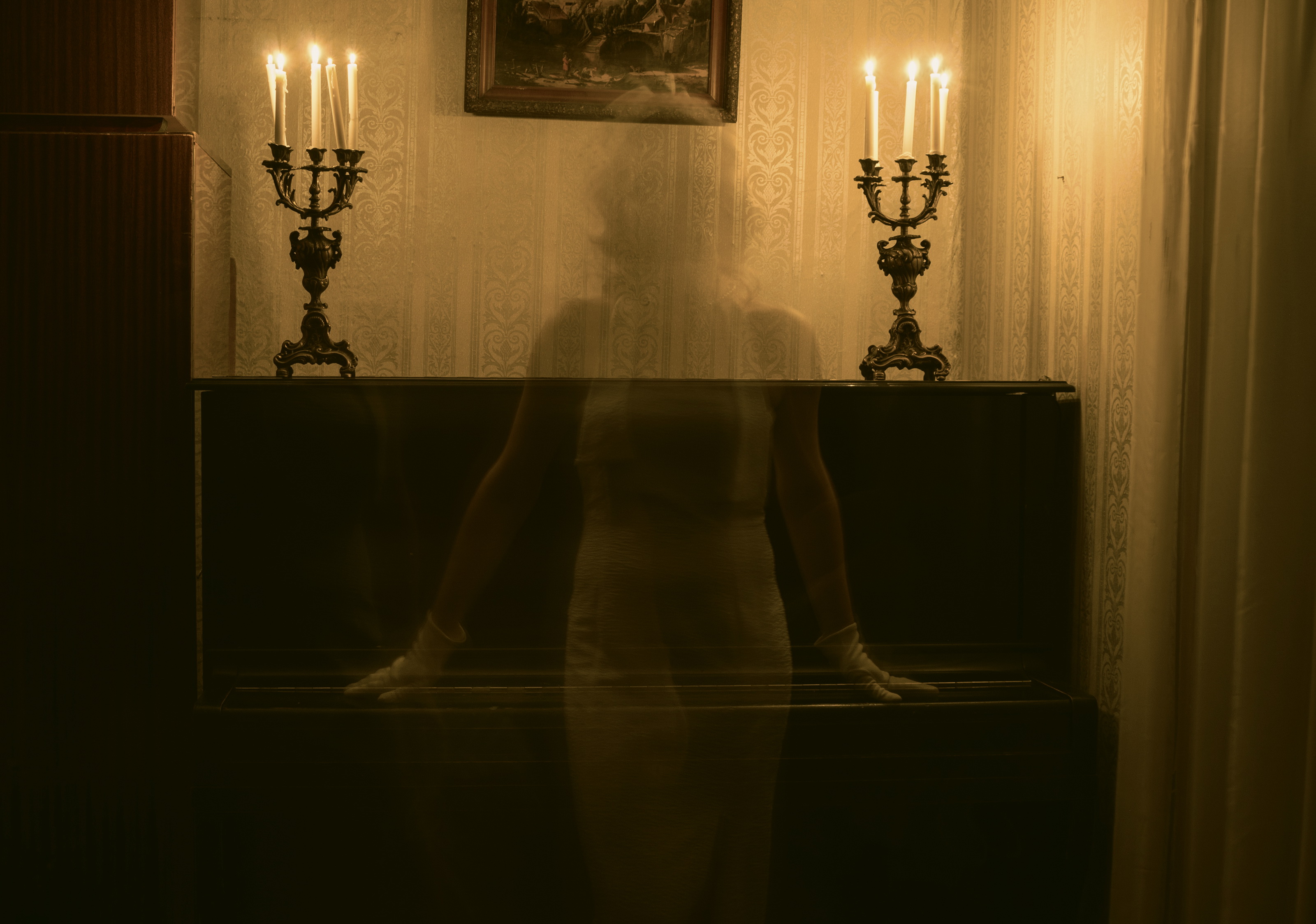
In honor of Halloween, fall festivals, and the crisp chill of spooky season, we’re turning our eyes (and ears) to the haunted stories of Huntersville and Lake Norman.
Today, Lake Norman sparkles as a hub of waterfront living, weekend boat rides, and family outings. But peel back the glossy surface, and you find a land layered with deeper, older histories: Native American trading paths, colonial farms, Revolutionary War skirmishes, Civil War camps, forgotten gold mines, and family cemeteries drowned when Duke Energy’s Cowans Ford Dam created the lake in the 1950s.
With so many centuries of memory—both joyful and tragic—it’s no surprise that locals whisper of restless spirits. Shadows drift across preserved plantation houses, phantom riders still gallop across open fields, and divers swear they’ve seen gravestones resting silently beneath the waves.
This season, let’s wander into the eerie, the legendary, and the unexplained: the haunted places of Huntersville and the Lake Norman area.
Latta Place (Formerly Latta Plantation) – Huntersville’s Most Famous Haunting
The Setting
Perched inside today’s Latta Nature Preserve, the Federal-style home of James Latta dates back to around 1800. Latta, an Irish immigrant who came to the U.S. after the Revolution, built his fortune as a merchant before turning to farming. The house he raised became one of Mecklenburg County’s finest, with elegant woodwork and broad views over rolling farmland.
But the prosperity of Latta’s plantation came at a cost: over the years, at least 65 enslaved men, women, and children lived and labored here. Their hands tended the fields, cooked in the detached kitchen, and raised livestock in the outbuildings that still dot the property. After Latta’s death in 1837, the Sample family purchased the home in the 1850s, holding it for generations. By the 20th century, however, the house was falling into decline until local preservationists rallied in the 1970s to save it. Today, it stands restored, a Mecklenburg landmark and a focal point of ghost lore.
The Ghost Stories
- 👣 Children in the Attic
Visitors often report laughter, pattering footsteps, and the sound of children at play from the third floor—even though the attic has no finished flooring. Guides say it’s impossible for anyone to safely walk there, yet the sounds persist, leaving many to wonder if the echoes belong to children who once lived or labored in the house. - 🪄 The Dancing Cane
During a tour, a docent showed off a Latta family cane. To everyone’s astonishment, it slipped from his hand—yet instead of falling, the cane remained upright and appeared to move on its own across the floor, as though guided by invisible fingers. For witnesses, it remains one of the most dramatic supernatural moments at Latta Place. - 🪞 The Shattered Mirror That Wasn’t
One staff member, preparing to close the house for the evening, heard a deafening crash from a parlor. Fearing vandalism or an accident, they rushed in—only to find a large mirror lying face-down in the center of the room. Strangely, the glass had not cracked or splintered, as if protected by unseen hands. - 🌫 Shadows and Whispers
Docents, caretakers, and paranormal investigators alike speak of fog-like apparitions drifting through the halls, voices murmuring in empty rooms, and the scrape of furniture being dragged when no one is present. Some even describe “shadow people” slipping across doorways or hovering near the old stairwell.
The Feeling
Despite the unnerving activity, most reports agree the spirits here are not malicious. Some believe members of the Latta or Sample families remain tied to the home they cherished. Others think the souls of enslaved people still linger, unwilling to leave the place where their lives were bound. Paranormal groups call Latta Place one of the most active sites in the Charlotte region, where history and haunting blur into one.
The Ghosts of Rural Hill – Davidson/Huntersville Border
The Setting
Rural Hill sits quietly off Neck Road, straddling the edges of Huntersville and Davidson. In the 1700s, this land was the home of Major John Davidson, a signer of the Mecklenburg Resolves and a prominent Patriot leader during the Revolutionary War. His plantation stretched across rolling fields and woodlands, much of which remain preserved today as a heritage site and popular event venue for festivals like the Highland Games.
Yet beneath the bagpipes and family picnics, Rural Hill holds shadows of its own. Like Latta Place, it was a plantation worked by enslaved people, and it also carries the heavy memory of nearby battles during the Revolution.
The Ghost Stories
- 🏇 Phantom Riders Across the Fields
Local legend says that late at night—especially near the anniversary of the Battle of Cowan’s Ford (1781)—the sound of galloping hooves can be heard thundering across the open meadows. Some claim to see ghostly horsemen racing through the mist, believed to be Patriot scouts still patrolling the ridgelines, reliving their desperate ride to delay Cornwallis’s advancing army. - 🔦 Lantern Lights in the Trees
Visitors and staff have reported strange bobbing lights along the tree lines and fence rows, as though men carrying lanterns are still walking the grounds. Some believe these are the restless souls of enslaved workers who once tended the fields at night; others insist they are the spirits of soldiers, scouts, or messengers still carrying warnings between camps. - 🌬 Whispers on the Wind
On quiet evenings, when the festival crowds are long gone, a few caretakers say they’ve heard faint voices on the breeze—low conversations, urgent murmurs—without a soul in sight. Combined with the thud of phantom hooves, the effect can be chilling.
The Feeling
Unlike Latta Place’s often domestic, household hauntings, the energy at Rural Hill feels more like a landscape haunting—as if the earth itself replays its past. Between the Revolutionary riders, the enslaved voices, and the ongoing presence of family cemeteries hidden in the woods, Rural Hill remains a place where history refuses to fully rest.
The Drowned Cemeteries of Lake Norman
The Setting
When Duke Energy built Cowans Ford Dam and completed Lake Norman in 1963, the waters swallowed entire communities. Mill villages, farmhouses, family plots, and small churches all disappeared beneath the rising flood. Officially, hundreds of graves were exhumed and reinterred. But families who had lived here for generations still whisper that not every resting place was moved. In the rush of progress, some headstones—and perhaps some remains—were left behind under the dark water.
Today, Lake Norman stretches 520 miles of shoreline, a place for boating, swimming, and summer fun. But for locals, it’s also a vast reservoir of memory, where the past literally lies buried beneath the waves.
The Ghost Stories
- ⛪ Bells Beneath the Water
Fishermen tell of hearing the faint toll of church bells on foggy mornings, though no chapel stands along the modern shoreline. Some believe it’s the echo of a church drowned by the flood, its bell still ringing deep beneath the lake. - 🎵 Voices in the Mist
Kayakers and boaters have reported disembodied singing drifting over the water—sometimes hymns, sometimes muffled cries—vanishing as quickly as they arrive. Old-timers say it is the sound of displaced souls still calling out from their submerged graves. - 🪦 Tombstones Under the Waves
Divers and Duke Energy maintenance workers claim to have glimpsed gravestones standing upright on the lakebed. Some even say they’ve seen carvings or crosses still visible through the murky water. These reports have never been officially confirmed—but they persist, year after year. - 👻 The Lady in White
One of the most enduring legends is of a ghostly woman in white, drifting along the shoreline near Ramsey Creek and Blythe Landing. Witnesses describe her wandering, head bowed, as if searching for something—or someone. Locals believe she is a mother or wife whose family’s resting place was lost when the waters rose, doomed to search forever for the graves now drowned beneath the lake.
The Feeling
Unlike the haunting of a single house or battlefield, Lake Norman’s ghost stories stretch across miles of water. It’s not just one restless spirit, but an entire drowned landscape that seems to breathe with memory. Every fog bank, every ripple on the lake at night, becomes a reminder that beneath the boats and jet skis lies a world that once was—a world that may not have been fully put to rest.
Historic Cedar Grove – Huntersville
The Setting
Not far from Huntersville’s town center rises Cedar Grove, a stately two-story brick home built in 1831 by James Torrance, son of Major Hugh Torrance (whose 1790s storehouse still stands nearby). The Torrance family was one of the most prominent in northern Mecklenburg County, and Cedar Grove reflected that wealth—designed in the Greek Revival style with tall windows, hand-carved mantels, and wide porches framed by towering cedars.
Like Latta Place and Rural Hill, Cedar Grove was also a working plantation, sustained by the forced labor of enslaved men, women, and children. The family cemetery and outbuildings remain on the property, reminders of both privilege and hardship. Today, the home is preserved as a historic site, often visited by school groups and history enthusiasts. But for many, Cedar Grove is equally known as one of Huntersville’s most haunted places.
The Ghost Stories
- 👤 Apparitions in the Fields
Passersby and visitors have reported figures moving in the old plantation fields—shadowy silhouettes bent in labor or walking slowly toward the treeline. Paranormal investigators believe these may be the spirits of enslaved people tied to the land, still visible in the work that defined their lives. - 👩 The Woman in the Window
One of the most repeated stories involves the sight of a woman standing in the upper windows of the house. Some identify her as Mary Latta Torrance, wife of James, while others think it could be one of the Torrance daughters. Dressed in period clothing, she is said to watch silently before vanishing if approached. On moonlit nights, a pale figure is sometimes glimpsed pacing the upstairs hallway. - 🎙 Voices That Answer Back
Local paranormal groups conducting EVP (Electronic Voice Phenomena) sessions at Cedar Grove claim to have captured direct responses to their questions. One investigator asked, “Who is here with us?” and recorded what sounded like a woman’s voice whispering, “Mary.” Others report knocks, sighs, and even footsteps echoing through the halls when no one else is inside. - 🚪 Cold Spots and Sudden Shifts
Guests have described sudden drops in temperature, especially near the staircase and upstairs landing. Some docents have noted doors opening or closing on their own, as if unseen hands still move through the home’s corridors.
The Feeling
If Latta Place feels domestic and Rural Hill feels historical, Cedar Grove radiates something in between: a house haunted by both family and labor. The genteel beauty of its architecture contrasts sharply with the spectral echoes of those who lived, worked, and died there. Whether it’s Mary Torrance still keeping watch, or the enslaved laborers bound to the land, Cedar Grove’s ghosts give Huntersville yet another reminder that history is never entirely gone—it lingers, sometimes in the shadows of brick walls and upstairs windows.
Davidson College Campus Legends
The Setting
Founded in 1837, Davidson College quickly grew into one of the South’s most respected liberal arts schools. With its Georgian architecture, leafy campus, and deep ties to Presbyterian tradition, the school embodies both prestige and history. But with nearly two centuries of life, learning, and war passing through its halls, Davidson also carries its share of ghost stories. Students joke about “campus hauntings” during orientation tours, but beneath the laughter are tales that resurface year after year—enough to keep even skeptics glancing over their shoulders during late-night study sessions.
The Ghost Stories
- 📚 Chambers Building – The Professor Who Never Left
The Old Chambers Building, and later its reconstructed twin, have long been at the heart of campus life. But many report strange occurrences inside: unexplained footsteps pacing the long hallways, heavy doors slamming with no breeze, and the unmistakable aroma of pipe smoke curling through the air. Students whisper that it belongs to a professor from the 19th century—so devoted to his work that he never left, even after death. Some even claim to see a faint scholarly figure leaning over the railings at night, surveying the atrium as though keeping watch. - ⚔️ Eumenean Hall – The Soldier in the Shadows
Built in 1849, Eumenean Hall served as a meeting place for one of Davidson’s literary societies, but during the Civil War it was pressed into service as a makeshift hospital. According to legend, one Confederate soldier never recovered from his wounds and still lingers there. Students passing by late at night say they’ve seen a gaunt young man in a tattered uniform staring from the windows—or felt a sudden chill in the hall where the society once debated philosophy. Paranormal groups claim EVP sessions inside have picked up groans and muttered words, as though echoing the pain of those wartime nights.
The Feeling
While many students dismiss these tales as campus lore passed down for fun, they persist because they refuse to fade. Ask any Davidson security guard or maintenance worker who patrols the halls at 2 a.m., and you’ll often get the same quiet smile: “There are things here I can’t explain.” Whether it’s a professor’s spirit lingering in scholarship or a soldier forever tied to his final post, Davidson College reminds us that even places of learning can carry ghosts of their own.
The Phantom of Cowan’s Ford
The Setting
On the cold morning of February 1, 1781, the Catawba River near present-day Lake Norman became the site of a desperate clash in the Southern Campaign of the Revolutionary War. British General Cornwallis was pursuing Patriot forces through the Carolinas, and the river crossings were critical. At Cowan’s Ford, local militia under General William Lee Davidson—a seasoned officer and namesake of both Davidson College and the town of Davidson—took their stand.
Outnumbered and outgunned, Davidson’s men tried to hold the ford long enough for General Nathanael Greene’s Continental Army to retreat safely. In the chaos, Davidson himself was struck down, reportedly shot through the heart as he rallied his men on horseback. His death threw the militia into retreat, and Cornwallis crossed the river, but the sacrifice slowed the British advance and gave Greene time to regroup.
Today, the battlefield lies beneath the waters of Lake Norman, swallowed when Cowans Ford Dam was built in the 1950s. But the memory of that bloody morning lingers—and, some say, so does the general himself.
The Ghost Stories
- 🌫 Mist on the Riverbank
Fishermen and kayakers on foggy dawns tell of a lone figure pacing the shoreline near where the ford once ran. Dressed in what looks like a long coat or uniform, he carries himself with a soldier’s bearing. Witnesses say he fades if approached, dissolving back into the mist that clings to the river. - 🏇 The Rider Who Never Falls
Locals whisper of a phantom rider on horseback, seen galloping across the shallows at twilight. Some claim the rider suddenly collapses mid-charge, re-enacting Davidson’s fatal moment. Others insist he never falls at all—riding eternally, still trying to rally his men. - 🔦 Lantern Lights on the Water
Several boaters have reported eerie lights bobbing low across the water, resembling lanterns carried by militia scouts. They flicker across the waves and then vanish suddenly, as though snuffed out by unseen hands. Paranormal investigators suggest these could be “residual hauntings”—echoes of Patriot pickets signaling during the battle. - 🎶 Voices on the Wind
On quiet nights, campers at nearby preserves claim to hear shouts, gunfire, and even faint drumbeats carried on the wind. Some liken it to a battlefield replaying itself in fragments, as if the struggle refuses to let go.
The Feeling
The Phantom of Cowan’s Ford carries a different weight than the domestic hauntings of Latta Place or Cedar Grove. Here, the haunting is bound to sacrifice, patriotism, and tragedy. General Davidson’s name lives on in towns, streets, and a college, but perhaps part of him remains on the riverbank—restless, still guarding the crossing where he fell.
For locals, the legend is more than a ghost story. It ties Huntersville, Davidson, and Lake Norman back to the Revolution, a reminder that the calm waters we know today once ran red with blood. Every ripple at Cowan’s Ford is a silent testament to that history, and every sighting of the phantom general keeps the memory alive.
Other Local Whispers
Jetton Park – The Shadow Walker of the Trails
By day, Jetton Park in Cornelius is a cheerful place: families picnic under pavilions, runners loop the trails, and children play by the shoreline. But at night, the park tells a different story. Visitors claim to have seen a tall, shadowy figure silently walking the wooded trails, sometimes keeping pace just a few steps behind before vanishing near the water’s edge. Some believe he is the spirit of a drowned man, others a remnant of Native or settler life along the original riverbank before the lake was created. Rangers say the figure is most often spotted on misty autumn evenings, when the park feels cut off from the world beyond.
Mt. Zion Church – The Music That Won’t Stop
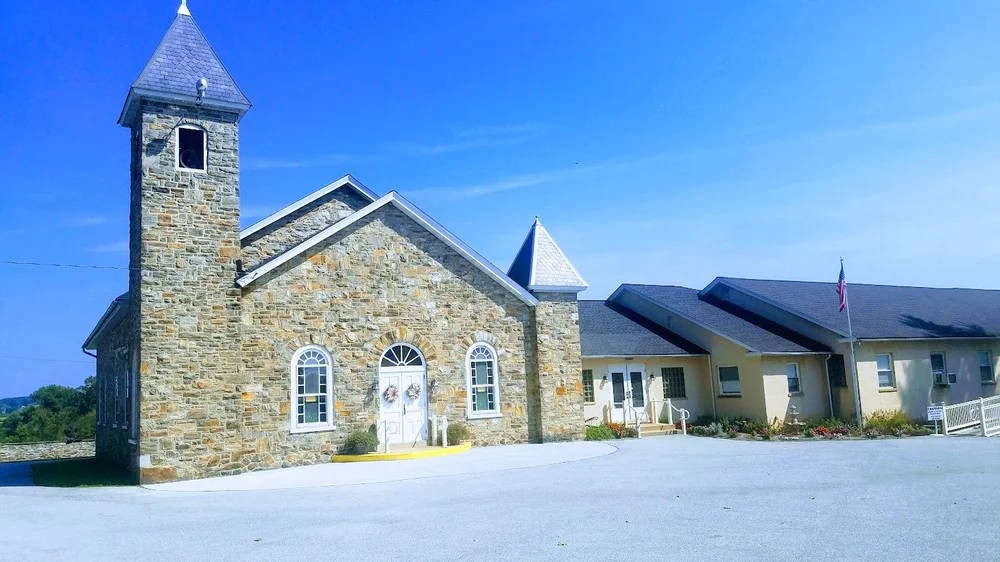
Standing proudly since the late 1700s, Mt. Zion United Methodist Church in Cornelius is one of Mecklenburg County’s oldest congregations. Its cemetery, dotted with weathered stones and Revolutionary War ties, is a resting place for early settlers and soldiers alike. But parishioners sometimes report strange happenings: the faint strains of organ music drifting from the sanctuary when the church is locked and dark, or the sound of footsteps crunching in the graveyard when no one is there. A few locals believe it’s the spirits of early church members still gathering for worship, unwilling to miss a Sunday service even in death.
Lake Norman’s Own Monster – “Normie”
Not every legend on Lake Norman is about ghosts—some are about something alive. For decades, boaters and fishermen have swapped tales of “Normie,” a mysterious serpentlike creature said to surface in the deeper waters. Descriptions vary: some say it looks like a giant catfish or sturgeon, others insist it resembles the famed Loch Ness Monster with a long neck and humps rising from the lake. Most chalk it up to tall tales or misidentified logs, but the number of consistent sightings keeps the story alive. Normie has even earned a place in local pop culture, appearing on T-shirts and bumper stickers. Whether monster, myth, or marketing, Normie is part of Lake Norman’s spooky lore.
The Feeling
These whispers don’t have the grandeur of Latta Place or the weight of Cowan’s Ford, but they add texture to the region’s folklore. A shadow on a trail, music in a darkened church, a ripple across deep water—each is a reminder that mystery thrives in small encounters as much as in grand legends.
Conclusion: Haunted by History
From the echo of enslaved voices at Latta Place, to the phantom riders thundering across the meadows of Rural Hill, to the drowned cemeteries resting quietly beneath the waters of Lake Norman, Huntersville’s past is never far away. The stories that drift through this region aren’t just ghost tales meant to frighten—they are reminders that the land itself remembers.
At Cedar Grove, a woman still peers from the windows as though watching for loved ones long gone. On the campus of Davidson College, professors and soldiers alike are said to keep vigil in the halls, their presence lingering in steps, smoke, and whispers. At Cowan’s Ford, a Revolutionary War general is believed to rise in the mist, forever guarding the crossing where he fell in sacrifice. And along the lake’s edge, smaller whispers—shadow walkers at Jetton Park, phantom hymns at Mt. Zion, and even the playful legend of Normie—add layers of mystery to everyday places.
Whether you are a skeptic who sees these tales as folklore, or a believer who shivers at the thought of unseen presences, the effect is the same: they connect us to history in a way that is immediate and human. These are not just stories of ghosts, but of memory—of lives lived, struggles fought, and communities built and lost.
So this Halloween season, as the air cools and the nights grow long, take a drive through Huntersville, Cornelius, or Davidson. Walk a trail, stand by the lakeshore, or visit a historic home. You may find nothing more than quiet beauty. Or you may just feel the brush of history at your shoulder—a reminder that some chapters never close, and some voices still linger, carried on the wind.
👨⚖️ Talk with a Huntersville Attorney Who Knows the Community
At Adkins Law, PLLC, we don’t just practice law in Huntersville—we live here, too. From Lake Norman’s shoreline to the historic homes and neighborhoods of Huntersville, Cornelius, and Davidson, our roots in this community run deep.
If you need guidance with family law, custody, domestic violence, or estate planning, our team is here to help. We understand the unique challenges Lake Norman families face and work to provide steady, practical solutions.
📍 Based in Huntersville, serving clients across the Lake Norman region and greater Charlotte area.


Leave a Reply