
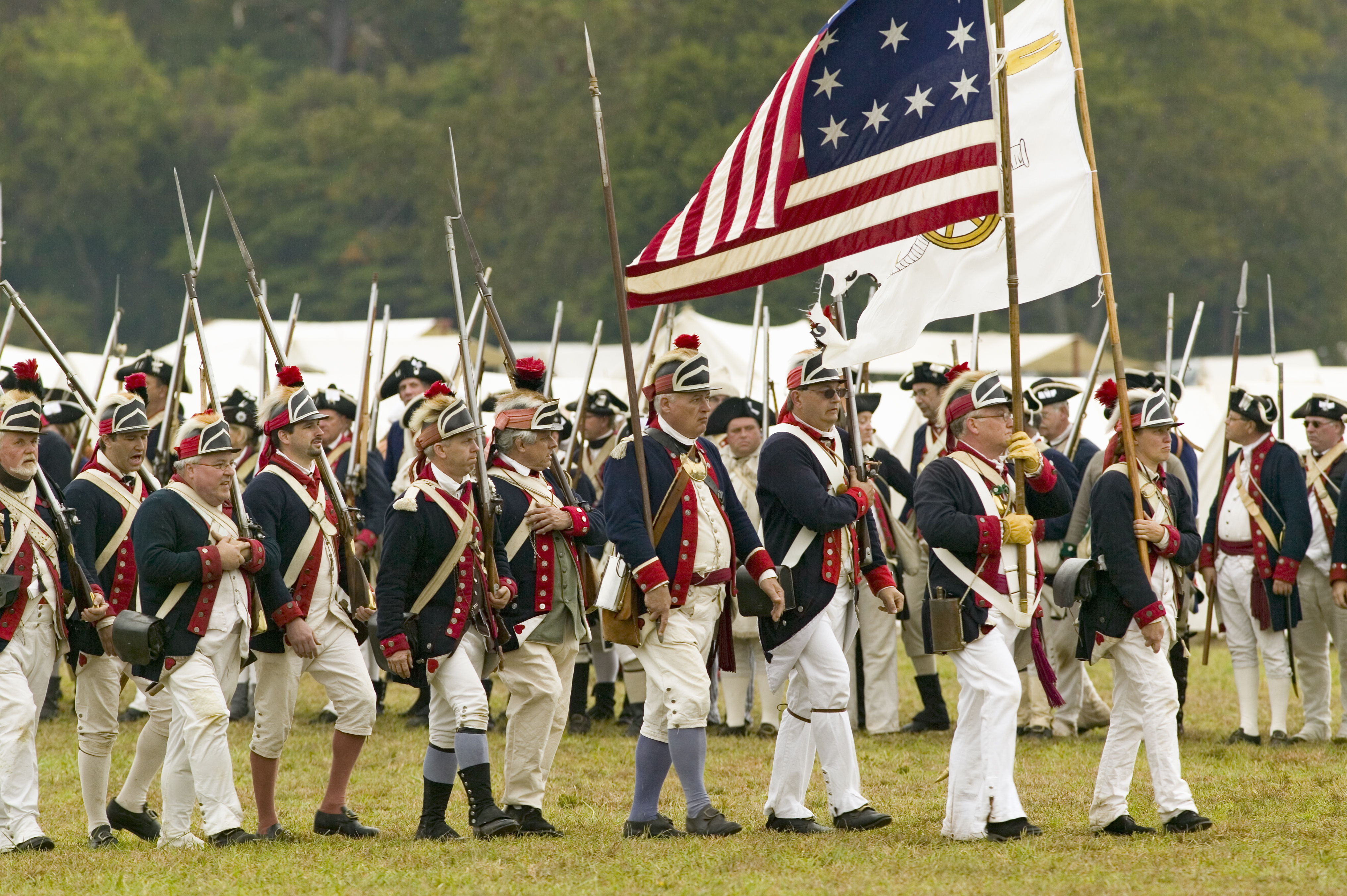

Prelude: The Carolinas in Chaos
By the summer of 1780, the American Revolution in the South had turned into a brutal civil war. After the fall of Charleston and the defeat at Camden, British General Charles Cornwallis believed Loyalist support in the backcountry would soon restore royal control.
But instead of uniting under the Crown, the North Carolina frontier descended into violence. Families and neighbors found themselves divided between Patriot and Loyalist camps, fighting not just for political allegiance but for survival.
In the rolling hills near present-day Lincolnton, North Carolina, this divide would explode into one of the most personal and chaotic battles of the entire war — the Battle of Ramsour’s Mill.
The Gathering at the Mill
The site of the battle was Ramsour’s Mill, a small gristmill on a ridge overlooking the South Fork of the Catawba River. In June 1780, local Loyalist leaders John Moore and Nicholas Welch began assembling men there, calling for support to join the British army advancing from South Carolina.
Within days, nearly 1,300 Loyalists — farmers, settlers, and former Regulators — had gathered near the mill. Few were trained soldiers; many carried hunting rifles, axes, or farm tools instead of muskets.
News of this Loyalist encampment alarmed nearby Patriot leaders. General Griffith Rutherford, commander of the Salisbury District militia, ordered Colonel Francis Locke to mobilize local Patriots and strike before the Loyalists could organize or receive British reinforcement. Locke quickly assembled about 400 Patriot militia from Rowan, Lincoln, Burke, and Mecklenburg counties — men who knew their enemies by name.
June 20, 1780: Brother Against Brother
Before dawn on June 20, 1780, Locke’s Patriot force approached Ramsour’s Mill under cover of fog. The Loyalist camp, unaware of the attack, was just stirring when the Patriots advanced up the slope.
A sudden exchange of musket fire shattered the morning calm. The Loyalists scrambled for position, forming a defensive line near the crest of the hill. For nearly two hours, the two sides — composed almost entirely of local men — fought fiercely at close range.
The battle was chaotic and deeply personal. With no uniforms to distinguish sides, friends and relatives often fired on one another. Many soldiers carried both red and white papers in their hats, switching colors as fortune turned.
When Colonel Locke’s horse was shot out from under him, the Patriots nearly broke. But Captain John Dickey, refusing to retreat, rallied the men and led a determined counterattack up the ridge. Gradually, the Loyalists began to waver.
As word spread that Rutherford’s larger force was marching toward them, Loyalist morale collapsed. Many fled into the surrounding woods, leaving their dead and wounded on the hillside.
Casualties and Aftermath
The cost was heavy. Each side suffered roughly 150 killed or wounded, a staggering toll for such small forces. The Patriots captured around 50 prisoners, along with arms and supplies.
The most haunting detail was that nearly every casualty was a North Carolinian. Fathers fought sons; brothers fought brothers. The dead lay in shallow graves across the ridge — neighbors divided by loyalty but united in tragedy.
The Battle of Ramsour’s Mill was technically a Patriot victory, but it came at an emotional cost that reverberated through the region for years.
Strategic Consequences
Though small in scale, Ramsour’s Mill carried major strategic importance. It shattered Loyalist confidence in the Carolina Piedmont and prevented a mass uprising in support of Cornwallis’s invasion.
In the months that followed, Patriot forces regained strength, leading to key victories at King’s Mountain and Cowpens, and eventually to Guilford Courthouse. Each of these battles pushed the British further north and closer to ultimate defeat at Yorktown.
Ramsour’s Mill proved that even in the face of occupation and fear, the spirit of resistance still burned in North Carolina’s backcountry.
Legacy: Remembering the Hill
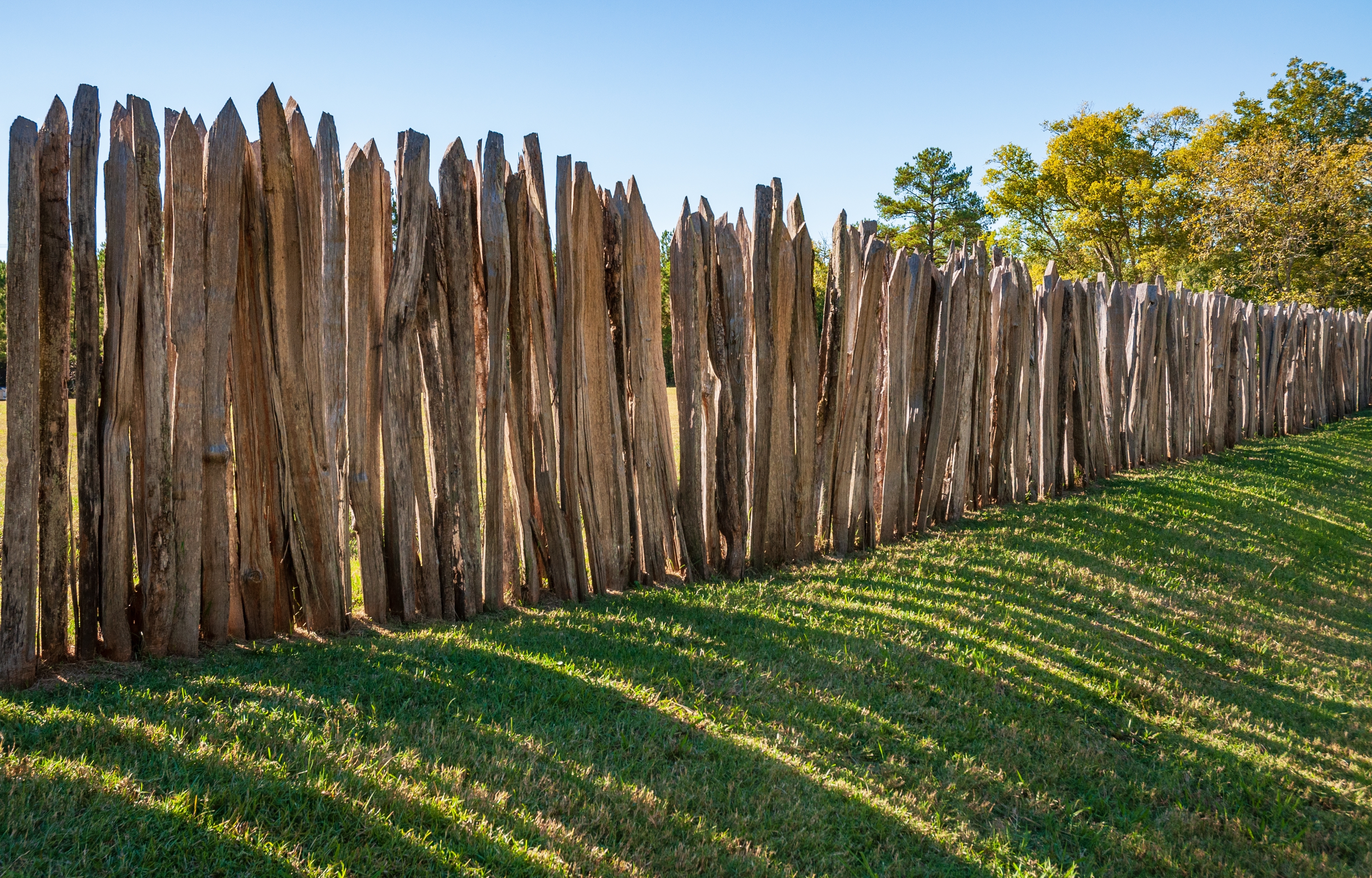
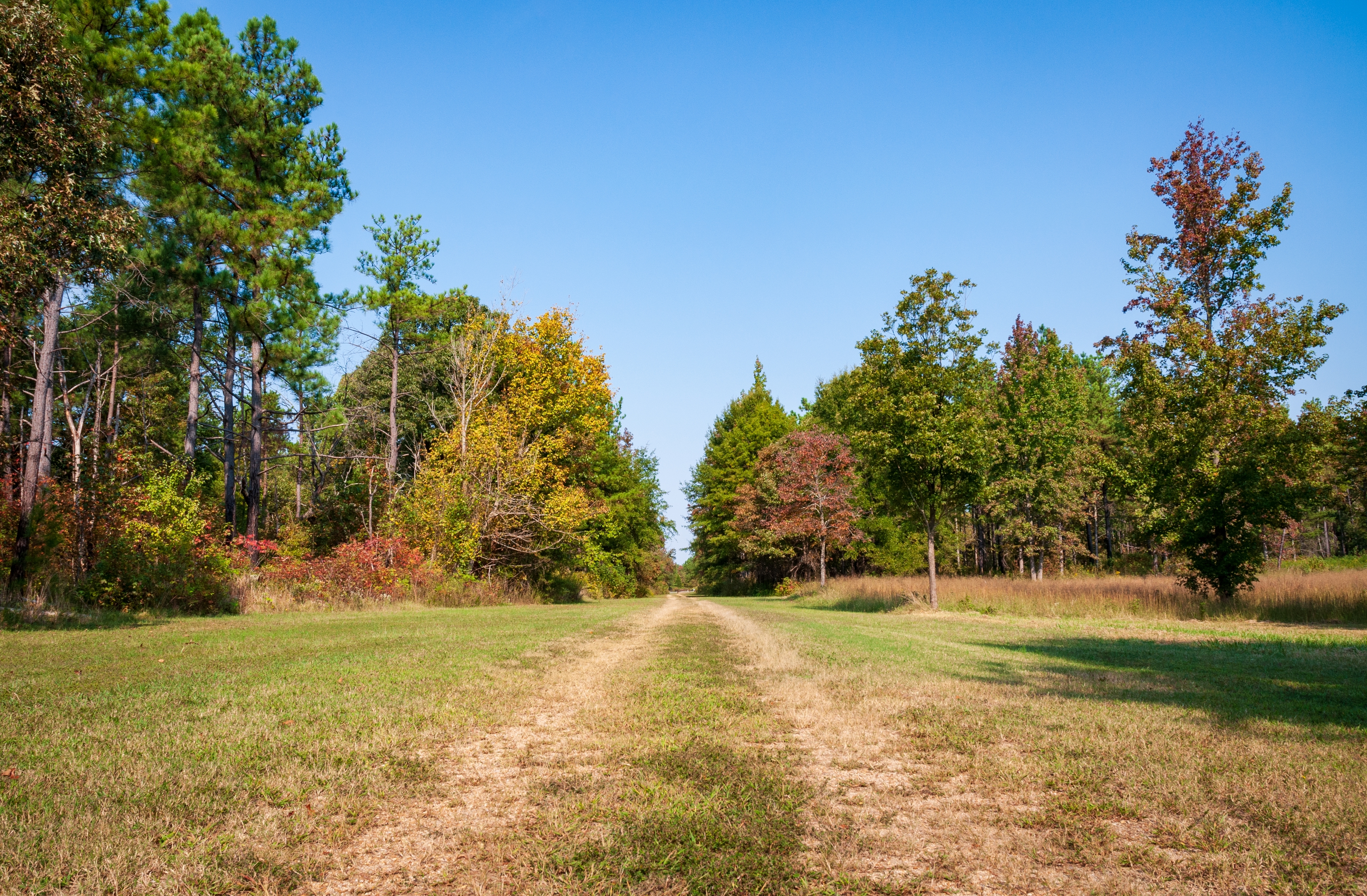
The battle site near Lincolnton remains a solemn place. A monument marks the ridge where the fighting occurred, and local commemorations honor both Patriot and Loyalist dead.
Archaeological studies and historical societies have helped preserve the memory of this battle — not as a story of glory, but as a warning of what civil conflict brings. Like the Battle of Moore’s Creek Bridge to the east, which ignited the first spark of independence in North Carolina, and the Battle of Cowan’s Ford to the south, where General William Lee Davidson gave his life defending the Catawba River, Ramsour’s Mill stands as part of the same enduring story — a chain of courage, sacrifice, and resolve that shaped the Carolinas’ fight for freedom.
Here, in the Carolina backcountry, the Revolution was not fought by distant armies but by ordinary people torn between loyalty and liberty — a struggle that defined North Carolina’s place in America’s quest for independence.
Quick Facts
- Date: June 20, 1780
- Location: Lincolnton, North Carolina
- Patriot Commander: Col. Francis Locke
- Loyalist Commanders: Col. John Moore, Capt. Nicholas Welch
- Forces Engaged:
- Patriots: ~400 militia
- Loyalists: ~1,300 militia
- Casualties: ~150 killed/wounded per side; 50 Loyalists captured
- Outcome: Patriot victory
- Significance: Weakened Loyalist support in the Carolinas; pivotal precursor to King’s Mountain
Adkins Law, PLLC: A Law Firm Located in Huntersville NC
Adkins Law, PLLC in Huntersville, North Carolina, proudly serves the Lake Norman and Charlotte region. Led by Attorney Christopher Adkins, the firm focuses on family law, divorce, custody, mediation, and estate planning, offering trusted guidance with experience and integrity.


Leave a Reply