


Prelude: A Divided Colony on the Edge of War
By early 1776, North Carolina stood at a crossroads. Royal authority was collapsing as revolutionary committees took control of towns and counties. The colony’s Royal Governor, Josiah Martin, had fled his capital in New Bern and taken refuge aboard a British warship near the Cape Fear River. Still determined to restore control, he called upon Loyalist supporters — particularly among the Scottish Highland settlers of the coastal backcountry — to rise in the King’s name and march to join incoming British troops expected to land near Wilmington.
The response was swift. General Donald McDonald, a veteran of the Seven Years’ War, gathered as many as 1,600 men, many of them Scottish immigrants or descendants of Highlanders who had settled along the Cape Fear after 1739. They carried broadswords, hunting rifles, and their clan pride, expecting other Loyalists and British regulars to reinforce them along the way.
But the Patriot movement had grown stronger and more organized than Martin anticipated. The colony’s revolutionary Provincial Congress had already raised militia and minutemen under leaders such as Colonels Richard Caswell and Alexander Lillington. When word spread of McDonald’s march toward the coast, the Patriots moved to intercept him before he could unite with British forces.
The Setting: A Narrow Bridge Over a Blackwater Swamp
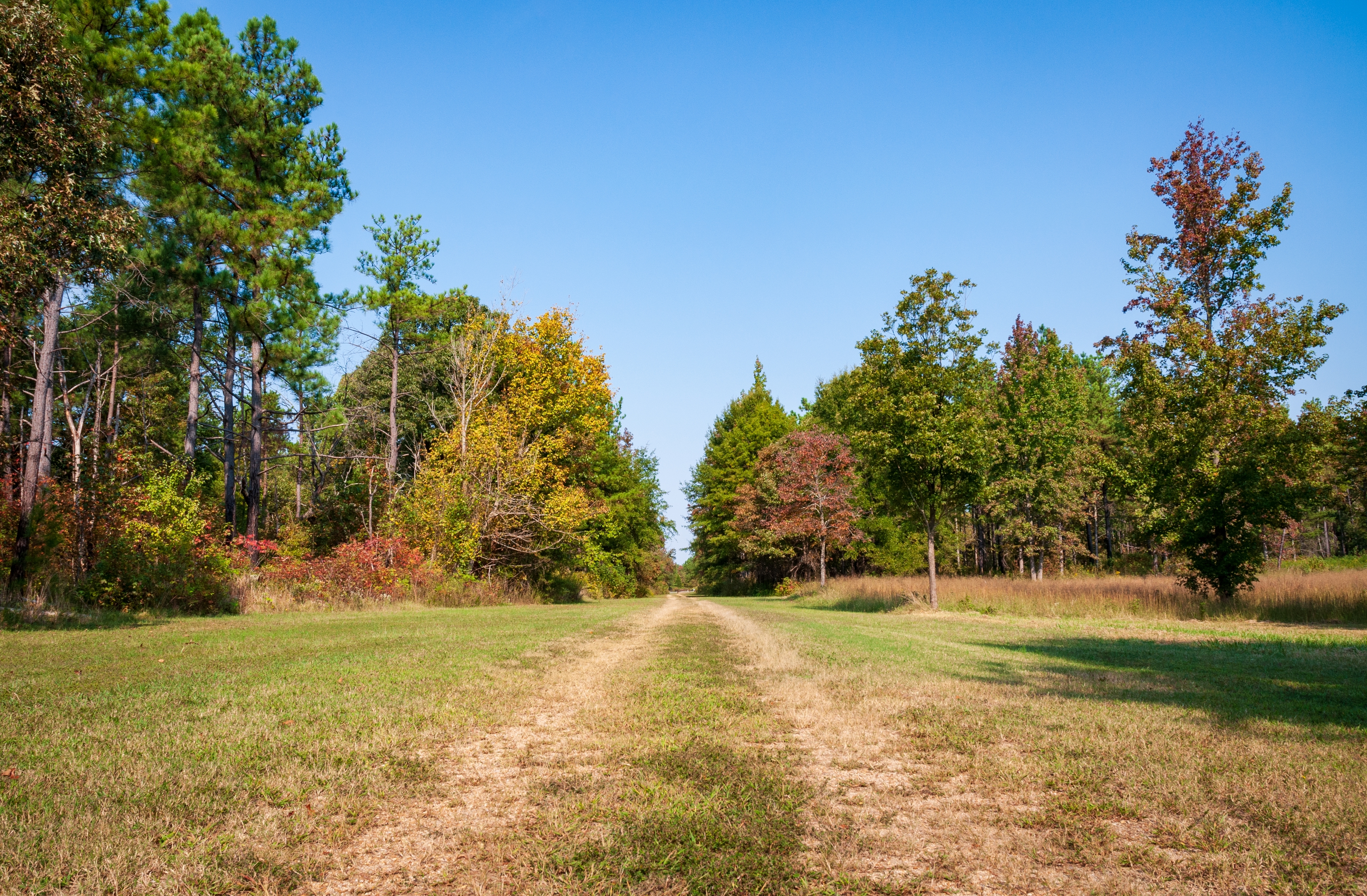
On the night of February 26, 1776, Caswell’s and Lillington’s militias reached Moore’s Creek Bridge, a narrow wooden crossing about 20 miles northwest of Wilmington, in what is now Pender County. The bridge spanned a dark, sluggish creek surrounded by dense swamp and pine forest — one of the few passable routes through the region.
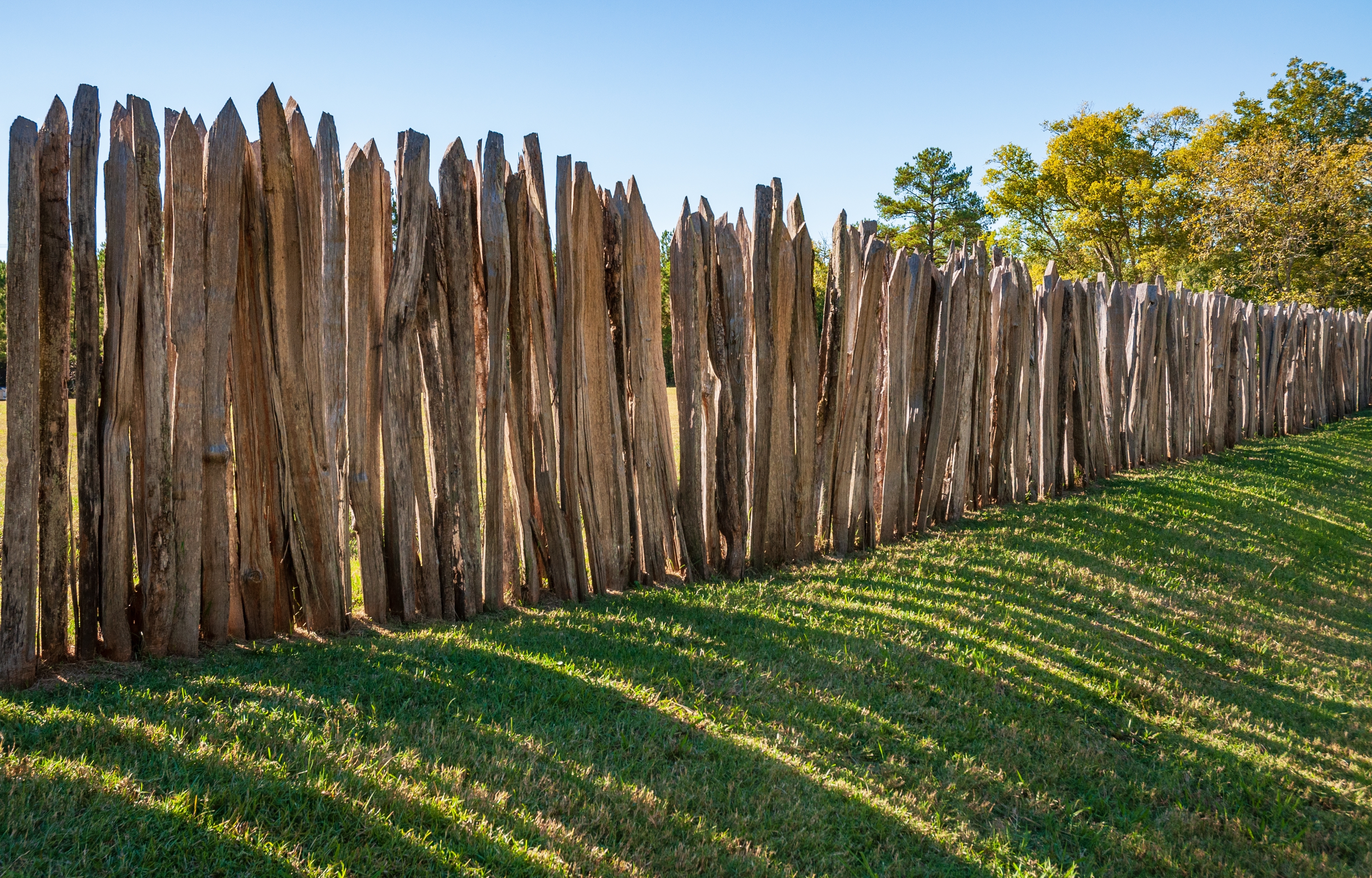
Recognizing its strategic importance, the Patriots prepared a trap. They dismantled several planks from the bridge, greased the remaining stringers with lard and soap, and fortified the far bank with earthworks and two small cannon. Their total force numbered roughly 1,000 men, positioned and ready in the predawn darkness.
The Battle: “King George and Broadswords!”
Just before sunrise on February 27, 1776, the Loyalist column under Lt. Col. Donald McLeod reached the creek. Mist hung low over the swamp, obscuring the Patriot defenses. Believing Caswell’s men had retreated in the night, McLeod ordered an immediate charge across the bridge.
Shouting “King George and Broadswords!”, the Highlanders rushed forward — but as they advanced onto the slippery, dismantled bridge, the Patriots unleashed a devastating volley of musket fire, followed by a blast from their cannon loaded with grapeshot. McLeod fell instantly, riddled with bullets, and dozens of his men dropped around him.
The Loyalist assault collapsed in moments. Panic spread as survivors tried to retreat across the greased beams or plunged into the cold, dark water. Within minutes, the battle was over — a swift, crushing defeat.
The Cost and the Capture
The Patriot casualties were almost nonexistent — one man wounded and another who later died from his injury. The Loyalists suffered around 30 killed, 40 wounded, and more than 850 captured.
Patriot forces seized enormous spoils: 1,500 muskets, 300 rifles, 13 wagons, and £15,000 in gold and silver meant for Loyalist payroll. The loss shattered Loyalist confidence and ended any immediate prospect of a British invasion through coastal North Carolina.
The Aftermath: Independence in the Making
The victory at Moore’s Creek Bridge was far more than a tactical triumph — it was a political earthquake. Within weeks, North Carolina’s Provincial Congress met in Halifax, emboldened by the news. On April 12, 1776, the delegates adopted the Halifax Resolves, instructing their representatives in the Continental Congress to vote for full independence from Great Britain.
This made North Carolina the first colony to formally call for independence, a distinction rooted directly in the confidence and unity sparked by the success at Moore’s Creek.
The battle also discouraged further Loyalist organization in the colony. British General Cornwallis, arriving later in the South, would find North Carolina far less friendly to royal interests than the governor had promised.
Legacy: The Creek Where Freedom Began
Today, the Moore’s Creek National Battlefield near Currie, North Carolina, preserves this historic ground within Pender County. Visitors can walk a reconstructed section of the bridge, follow trails along the creek, and see monuments honoring both the Patriots and the Scottish Highlanders who fought there.
Though brief, the battle’s impact was lasting. It secured North Carolina’s revolution, inspired the first vote for independence, and marked the first decisive Patriot victory in the American South.
From that narrow bridge over black water flowed the first ripples of independence — a tide that would soon sweep through the Carolinas, rising again at the Battle of Cowan’s Ford, King’s Mountain, and Guilford Courthouse, and ultimately carry the Revolution to victory.
Quick Facts
- Date: February 27, 1776
- Location: Moore’s Creek Bridge, near Wilmington, North Carolina
- Commanders:
- Patriot: Col. Richard Caswell, Col. Alexander Lillington
- Loyalist: Gen. Donald McDonald, Lt. Col. Donald McLeod
- Forces Engaged:
- Patriots: ~1,000 militia
- Loyalists: ~1,600 Highland Scots and Regulators
- Outcome: Decisive Patriot victory
- Casualties:
- Patriots: 1 killed, 1 wounded
- Loyalists: ~30 killed, 40 wounded, 850 captured
- Significance: Ended royal authority in North Carolina; inspired the Halifax Resolves; first Patriot victory in the South.
⚖️ About Adkins Law
Adkins Law, PLLC in Huntersville, North Carolina, proudly serves the Lake Norman and Charlotte region. Led by Attorney Christopher Adkins, the firm focuses on family law, divorce, custody, mediation, and estate planning, offering trusted guidance with experience and integrity.
🌐 www.huntersvillelawyer.com | 📞 (704) 274-5677 | Click here to contact Adkins Law, PLLC to speak with an experienced divorce attorney in Huntersville.


Leave a Reply