

Overview
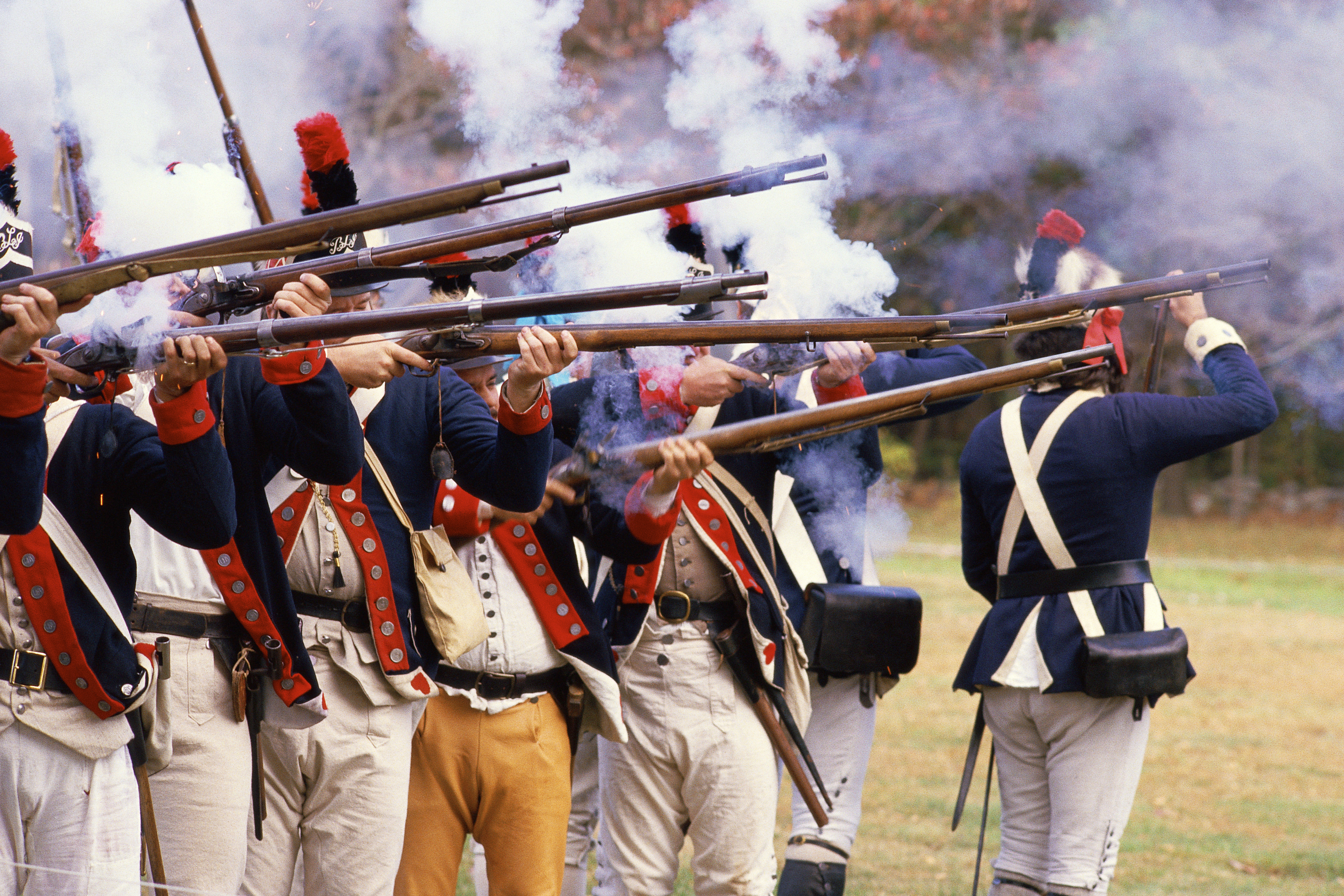
On February 25, 1781, two miles west of present-day Graham, North Carolina, Patriot cavalry under Lt. Col. Henry “Light Horse Harry” Lee and Brig. Gen. Andrew Pickens annihilated a Loyalist militia commanded by Col. John Pyle. Known as the Battle of Haw River, Pyle’s Defeat, or Holt’s Race Paths, the short, shocking encounter left 99 Loyalists dead and about 150 wounded, with virtually no Patriot losses.
The battle crippled Lord Cornwallis’s efforts to recruit Loyalists and directly set the stage for his costly confrontation at Guilford Courthouse three weeks later. It also echoed months later in another Alamance County fight — the Battle of Lindley’s Mill — proving that the Haw River valley remained a flashpoint of rebellion to the war’s end.
Background: Cornwallis in Hillsborough
In early February 1781, British commander Lt. Gen. Charles, Lord Cornwallis marched into Hillsborough, then the Orange County seat, to rally Loyalist support. His forces were exhausted after pursuing Maj. Gen. Nathanael Greene across the Carolinas. Cornwallis proclaimed royal protection for all Loyalists who would join his army, but Patriot raids soon made recruitment nearly impossible.
To strengthen his ranks, Cornwallis ordered Lt. Col. Banastre Tarleton to move west of the Haw River in search of Loyalist reinforcements. In response, Greene dispatched Lt. Col. Henry Lee and Brig. Gen. Andrew Pickens with North Carolina militia to intercept Tarleton’s movement.
A Fatal Mistake: The Encounter on the Alamance Road
As Lee’s Legion advanced toward the old Alamance Road, they met two Loyalist scouts who mistook the green-coated Patriots for Tarleton’s British dragoons. Exploiting the confusion, Lee sent them back with a fabricated message — “Colonel Tarleton’s compliments” — and ordered his men to advance in formation.
Just ahead waited Col. John Pyle’s 400 Loyalist recruits, formed neatly along the roadside, muskets shouldered. When Lee’s troops approached, Pyle saluted, extending his hand. Before the two men could speak, a Loyalist at the far end of the line spotted Capt. Joseph Eggleston’s detachment emerging from the woods and fired.
Lee instantly drew his sword. The Patriots charged. In a matter of minutes, the road became a scene of chaos — sabers flashing, muskets cracking, and Loyalists crying “We are the King’s men!” as they were cut down. When it ended, ninety-nine Loyalists lay dead, and Lee’s Legion stood victorious.
Aftermath and the Road to Guilford Courthouse
Lee had intended to surround and disarm the Loyalists, not slaughter them, but the misfire triggered a chain reaction. When captured survivors realized the truth, one wounded man exclaimed to Lee, “God bless your soul, Mr. Tarleton — you’ve just killed as good a parcel of subjects as His Majesty ever had!” Lee shouted back, “We are Americans, not British!”
The massacre shocked the region. Those who escaped fled to O’Neal Plantation, where the real Banastre Tarleton was camped. Tarleton, realizing the danger, broke camp and retreated hastily to Hillsborough, abandoning further recruitment.
The destruction of Pyle’s regiment crippled Cornwallis’s Loyalist network and deprived him of the local support he needed. Three weeks later, at Guilford Courthouse (March 15, 1781), Cornwallis won the field but suffered devastating casualties that forced his withdrawal to Wilmington and, ultimately, Yorktown.
From Pyle’s Defeat to Lindley’s Mill: Continued Conflict
Even after Cornwallis’s retreat, the Haw River valley and Alamance region continued to boil with civil strife. Later that year, on September 13, 1781, the same currents of revenge and rebellion erupted again at the Battle of Lindley’s Mill, just 10 miles southwest of Graham.
There, Loyalist militia under Col. David Fanning and Col. Hector McNeill ambushed Patriot troops commanded by Brig. Gen. John Butler and Col. Robert Mebane. The Loyalists were escorting Governor Thomas Burke and other captured state officials, seized from Hillsborough in a daring raid.
Fighting along the banks of Cane Creek, the Patriots attempted to rescue the prisoners but suffered heavy losses — about 25 killed and 90 wounded, compared to roughly 30 Loyalists killed. The Loyalists managed to carry Governor Burke away to Wilmington, then under British control.
The Battle of Lindley’s Mill demonstrated that even after Pyle’s defeat and Cornwallis’s withdrawal, Alamance County remained a contested frontier, where both sides fought fiercely for control of North Carolina’s political heartland. The same roads and river crossings that witnessed Pyle’s tragedy once again ran red with blood before peace returned in 1782.
Order of Battle
Patriot Command: Lt. Col. Henry Lee (VA) • Brig. Gen. Andrew Pickens (SC) • Lt. Col. William Farr (SC)
Force: ≈ 740 men total
Lee’s Legion (240 men) — Seven companies under Captains Armstrong, Eggleston, Rudolph, McClane, Archer, Tate, and Alexander.
Militia (≈ 500 men) — Detachments from Caswell, Chatham, Guilford, Lincoln, Mecklenburg, Orange, Rowan, Surry, and Wilkes Counties, plus a Maryland Light Company and Catawba Indian unit.
Loyalist Command: Col. John Pyle (NC)
Force: ≈ 400 Loyalist recruits
Casualties: 99 killed • 150 wounded • unknown captured
Patriot Casualties: 0 killed • 1 wounded
Legacy
The Battle of Haw River, or Pyle’s Massacre, was more than a battlefield deception — it marked the end of organized Loyalist recruitment in central North Carolina. The subsequent Battle of Lindley’s Mill reflected the continuing turbulence of the region, where the Revolution became a true civil war between neighbors.
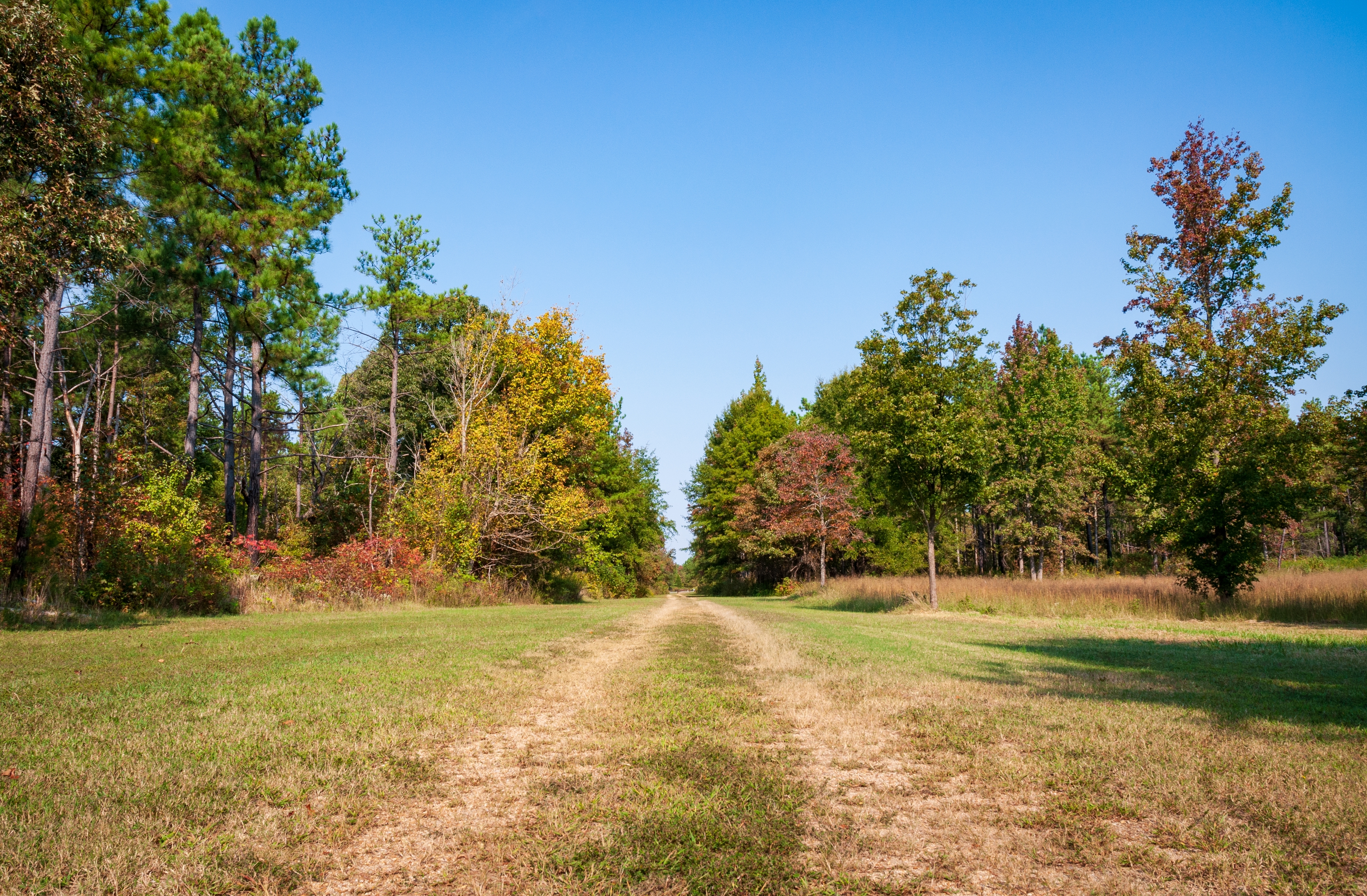
Today, both battle sites — near Graham and Snow Camp — are preserved by local historians and marked by stone monuments and state highway signs, forming part of the North Carolina Revolutionary War Trail through Alamance County. Visitors can trace the route from Haw River to Cane Creek, walking the same soil where the fight for liberty was won not by armies, but by communities divided and reconciled through struggle.
A Chain of Carolina Victories
The destruction of Pyle’s Loyalists fit into a broader sequence of Patriot triumphs in North Carolina, culminating in independence:
- Battle of Moore’s Creek Bridge – Feb 27, 1776, near Wilmington – First Patriot victory in the South; Loyalist Highlanders routed.
- Battle of Ramsour’s Mill – Jun 20, 1780, Lincolnton – Patriots defeat Loyalists in a chaotic militia clash.
- Battle of Colson’s Mill – Jul 21, 1780, near Norwood – Patriot forces under William Lee Davidson repel Loyalists on the Pee Dee.
- Battle of Shallow Ford – Oct 14, 1780, Yadkin County – Patriots block Loyalist reinforcements after Kings Mountain.
- Battle of Haw River (Pyle’s Massacre) – Feb 25, 1781, Alamance County – Lee’s Legion destroys Loyalist militia under Col. John Pyle.
- Battle of Lindley’s Mill – Sep 13, 1781, Alamance County – Loyalists ambush Patriot militia attempting to rescue Governor Thomas Burke.
Each engagement tells part of the story of North Carolina’s divided Revolution, where the war was fought not just against an empire, but among its own people.
Adkins Law, PLLC: A Law Firm Located in Huntersville NC
Adkins Law, PLLC in Huntersville, North Carolina, proudly serves the Lake Norman and Charlotte region. Led by Attorney Christopher Adkins, the firm focuses on family law, divorce, custody, mediation, and estate planning, offering trusted guidance with experience and integrity.


Leave a Reply